


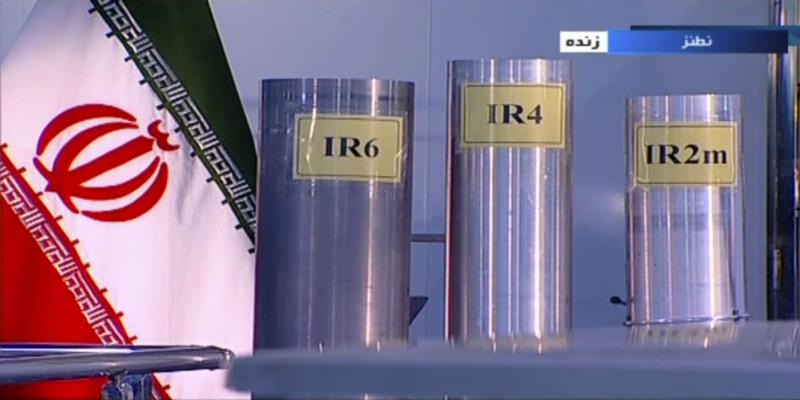
President Donald Trump has offered the most concrete signal that a US-Iran nuclear agreement may be taking shape, revealing that Washington and Tehran are in discussions to jointly extract and transfer Iran’s stockpile of enriched uranium to the United States.
Speaking in a phone interview, Trump described the process as unhurried and cooperative.
“We’re going to go in with Iran, at a nice, leisurely pace, and start excavating,” he said, referring to the uranium which he called “nuclear dust” as material he expects to be transported to American soil soon.
The comment appears to reference residual material believed to remain at Iranian nuclear facilities following last year’s joint US-Israeli strikes.

Iran is estimated to hold significant quantities of uranium enriched to around 60% purity a level that, while technically usable for civilian energy, sits uncomfortably close to the 90% threshold required for weapons-grade material.
That stockpile has been one of the most stubborn sticking points in negotiations, and Trump was emphatic that preventing Iran from ever developing a nuclear weapon remains Washington’s bottom line.
Tehran, for its part, continues to insist its programme is purely peaceful.
On the question of compensation, Trump was equally direct and dismissive. Reports suggesting the US might pay Iran in exchange for the uranium were flatly denied. “No money will be involved,” he said.
Despite the warmer tone, Trump confirmed the US naval blockade of Iranian ports would remain in place until a final agreement is signed.
The blockade, which came into force Monday, has pushed oil prices back above $100 a barrel and drawn sharp international criticism, including from NATO allies Britain and France.
Still, Trump projected confidence that a resolution is within reach.
“I think the deal will go very quickly,” he said, adding that further talks are expected soon possibly over the weekend.
He also floated the possibility of travelling to Islamabad himself if an agreement is finalised, though he stopped short of committing to the trip.
Perhaps the most operationally significant detail to emerge from Trump’s remarks is that the two countries are already cooperating on one practical front: clearing naval mines from the Strait of Hormuz.
The waterway through which roughly one-fifth of the world’s oil normally flows has been effectively shut since the conflict began on February 28, and its reopening is central to any lasting resolution.
The mine-clearing effort, if confirmed, would represent the first tangible act of military coordination between Washington and Tehran a remarkable development given the state of relations just weeks ago.
Taken together, Trump’s comments paint a picture of a negotiation that, for all its public turbulence, may be quietly moving faster than the headlines suggest.




