


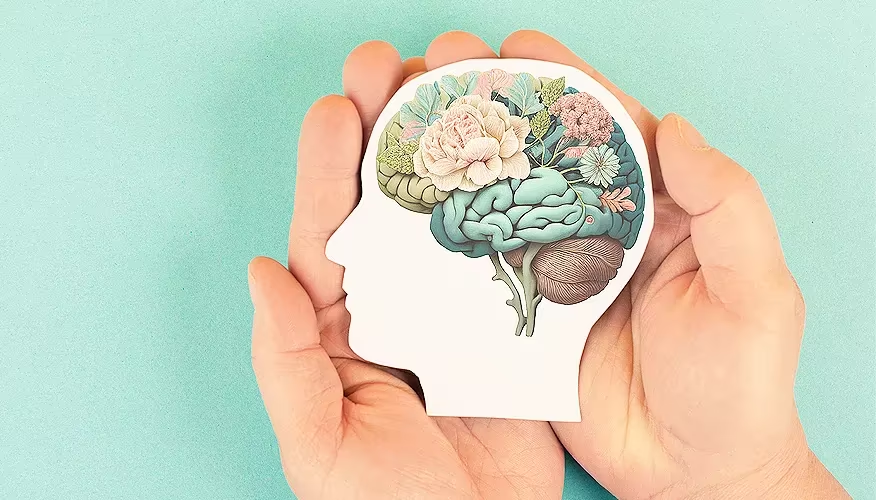
The idea of mental wellbeing is evolving. In 2026, it is no longer defined by constant happiness or the absence of struggle, but by a person’s ability to navigate life’s demands, adapt to challenges, and maintain a sense of stability over time.
Experts increasingly emphasize that mental wellbeing is fluid. It can reflect emotional state one day and the ability to handle daily responsibilities the next. Importantly, it does not exist in isolation from mental health conditions. A person may live with a diagnosed condition and still maintain strong wellbeing, while another may struggle despite having no formal diagnosis.
When balance is disrupted
Periods of low mental wellbeing can make everyday tasks feel overwhelming. Activities that once seemed simple responding to messages, completing work, or making decisions may require significantly more effort. Recognizing these shifts early is key to preventing deeper emotional strain.
Small, consistent actions make a difference
Improving mental wellbeing does not typically require major life changes. In many cases, small, consistent habits are more effective. Simple activities such as taking a walk, listening to music, or stepping away from a stressful environment can help regulate emotions and restore focus.

Short breaks throughout the day are also essential. Even a brief pause can help reset the mind, offering clarity and reducing accumulated stress. Over time, these small moments of recovery contribute to a more sustainable routine.
Understanding stress and staying present
Stress often manifests physically before it becomes fully apparent mentally. Symptoms such as muscle tension, fatigue, or a racing heart can signal the need to slow down. Learning to recognize these early warning signs allows for timely intervention.
Mindfulness techniques continue to play a growing role in mental health care. While practices like meditation remain popular, mindfulness can also be integrated into everyday activities whether eating, walking, or completing routine tasks. Staying present helps reduce overthinking and creates space for more intentional responses to challenges.
Building supportive habits
Activities that bring enjoyment and meaning such as cooking, creative hobbies, or connecting with others are increasingly recognized as essential, not optional. These moments provide emotional grounding and help individuals reconnect with what matters to them.
Spending time in nature is another widely supported strategy. Research continues to link outdoor environments with reduced stress and improved mood. Even limited exposure, such as keeping plants indoors or spending time near natural light, can have measurable benefits.
Similarly, interaction with animals whether through pets or casual contact can offer comfort and reduce feelings of isolation.
Setting boundaries in a digital world
As digital consumption increases, so does its impact on mental health. Constant exposure to news, social media, and online content can contribute to stress and emotional fatigue. Setting boundaries such as limiting screen time or curating online spaces has become an important part of maintaining balance.
Redefining progress
Mental wellbeing is no longer viewed as a fixed goal but as an ongoing process. Energy levels, motivation, and emotional resilience naturally fluctuate. What feels manageable one day may feel difficult the next.
Health professionals stress the importance of self-compassion. Progress is rarely linear, and setbacks are part of the process. Rather than striving for perfection, the focus has shifted toward finding practical strategies that make daily life more manageable.
In this evolving understanding, mental wellbeing is less about achieving an ideal state and more about building the capacity to cope, adapt, and continue moving forward one step at a time.




