


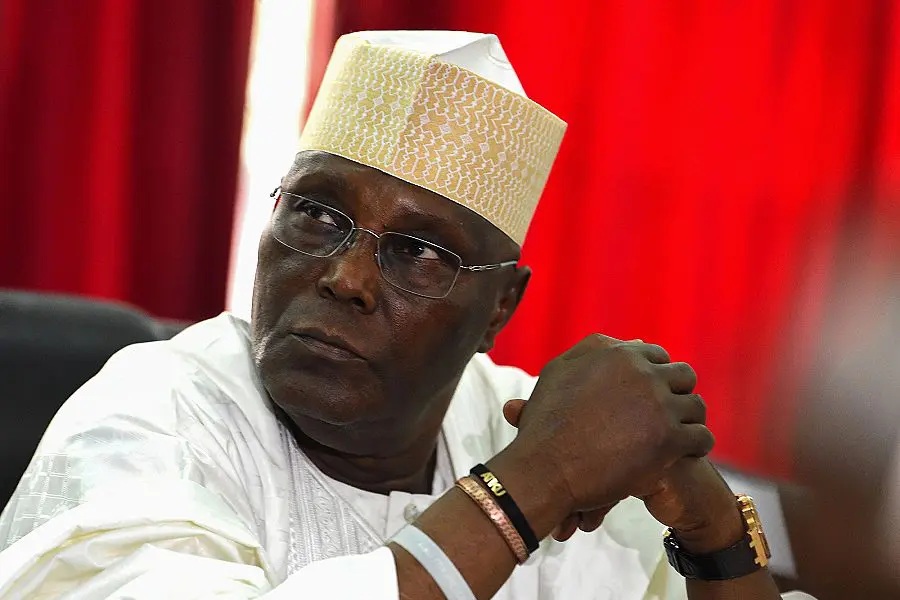
(DDM) – Former Vice President Atiku Abubakar has reportedly entered into a $1.2 million agreement with U.S.-based lobbying firm Von Batten-Montague-York as part of a broader international strategy ahead of Nigeria’s 2027 elections.
Diaspora Digital Media (DDM) notes that the engagement is designed to strengthen Atiku’s global image, expand diplomatic access, and shape perceptions among influential policymakers in the United States.
According to details of the arrangement, the firm is expected to provide strategic advisory services, including policy positioning, media engagement, and direct outreach to members of the U.S. Congress and foreign policy institutions.
The lobbying effort will also focus on facilitating high-level meetings, building alliances with international stakeholders, and projecting Atiku as a credible democratic leader on the global stage.

Sources familiar with the development indicate that the move is part of a long-term political recalibration aimed at positioning the former vice president as a strong contender in the 2027 presidential race.
Analysts note that international lobbying has increasingly become a tool for political actors seeking legitimacy, visibility, and support beyond their domestic base.
They add that such engagements can influence foreign policy perceptions, investor confidence, and diplomatic relationships, particularly for countries with strategic global relevance like Nigeria.
The firm, known for its advisory and lobbying roles in Washington, is expected to help frame narratives around governance, economic reform, and democratic stability in Nigeria.
Observers say this could also involve countering negative perceptions and presenting Atiku’s policy ideas to a broader international audience.
However, the development has sparked debate within Nigeria’s political environment.
Critics argue that spending millions of dollars on foreign lobbying raises concerns about priorities, especially in a country facing economic hardship.
They question whether such resources would be better invested in grassroots mobilisation and addressing local political structures.
Others also warn that increased foreign involvement in political branding could lead to concerns about external influence in Nigeria’s democratic process.
Supporters, however, insist that global engagement is essential in modern politics, particularly for a country seeking foreign investment and international partnerships.
They argue that building relationships with global institutions can enhance Nigeria’s diplomatic standing and open doors for economic cooperation.
Political observers further note that this move comes amid shifting alliances within opposition parties, including the African Democratic Congress, which is emerging as a potential coalition platform.
They suggest that Atiku’s international outreach may complement ongoing domestic negotiations aimed at building a united opposition front.
As preparations for 2027 gradually intensify, analysts believe that early strategic positioning, both locally and internationally, could play a decisive role in shaping the outcome of the election.
Attention now turns to how this lobbying effort will translate into tangible political advantages and whether it will influence both domestic perception and international engagement in the months ahead.

