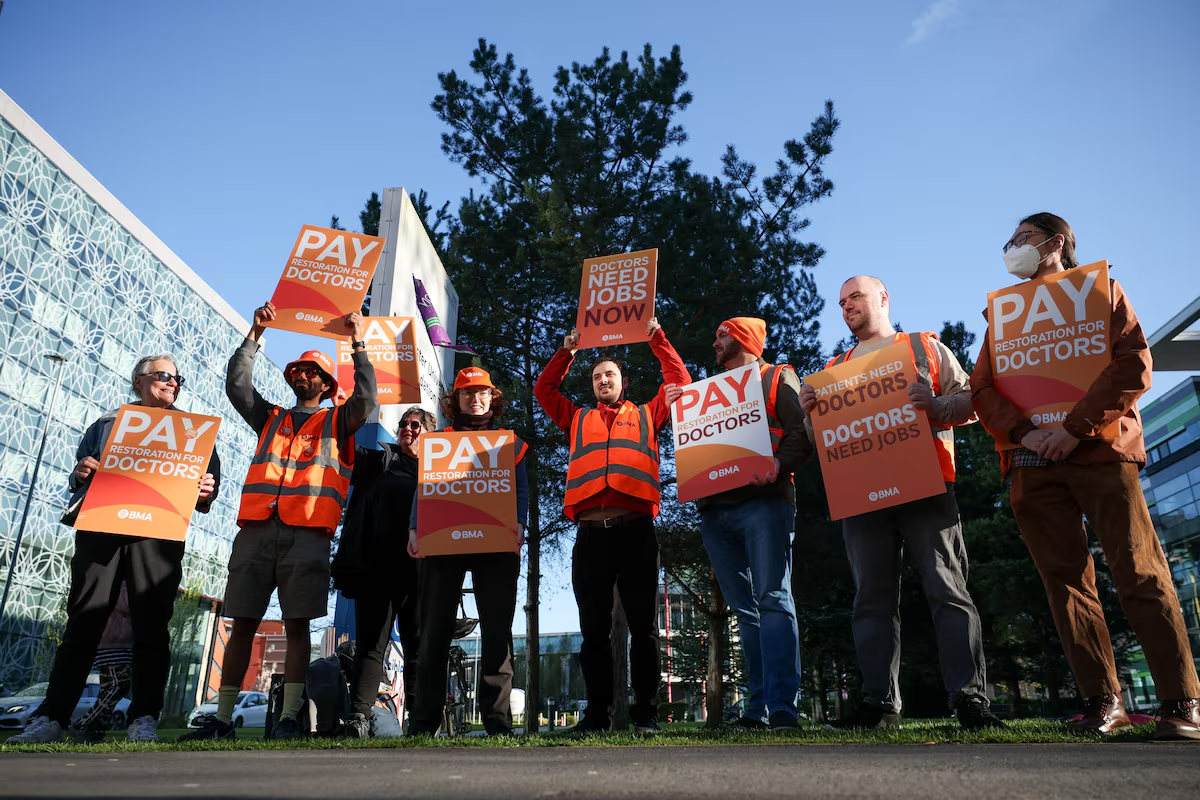
Resident doctors across England have begun a six-day strike after rejecting a government pay offer, deepening an ongoing dispute over wages and working conditions.
The walkout, led by the British Medical Association, started on Tuesday and is expected to run until April 13.
This follows the collapse of last-minute talks after a 48-hour deadline set by Prime Minister Keir Starmer expired without agreement.
Doctors say the proposed deal strike including a 3.5% pay rise does not go far enough to address years of declining real wages and mounting pressure on the healthcare system.

The union argues that long-standing issues, including staff shortages and below-inflation pay increases, have not been properly resolved.
“No one wants to strike,” the BMA said, “but without a credible offer, doctors are left with no choice.”
The government, however, insists the offer is fair and sustainable.
Health Secretary Wes Streeting said the deal represents the largest pay increase given to any public sector group under the current administration.
He warned that the strike could cost the National Health Service (NHS) around £50 million a day roughly £300 million over the six-day period and said the government cannot justify spending beyond what it considers affordable.
In response to the rejection, the government has also withdrawn a proposal to fund 1,000 additional specialist training positions, which had been tied to acceptance of the deal.
Resident doctors who make up nearly half of the NHS medical workforce have staged multiple strikes since 2023; a move officials say has contributed to longer waiting times for patients.
But union leaders maintain that the action is necessary, arguing that without meaningful improvements, the pressure on doctors and the wider healthcare system will only worsen.