



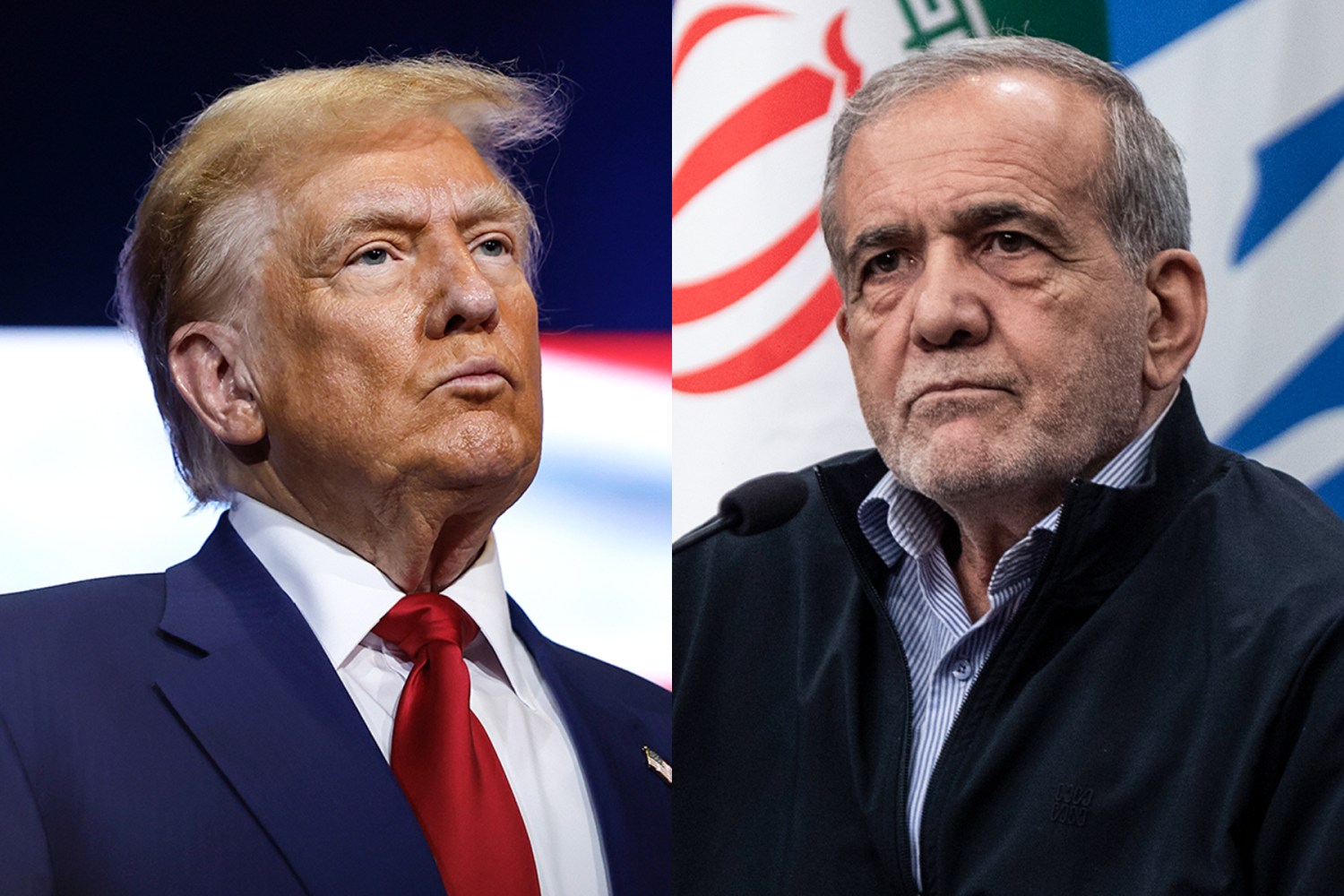
The United States and Iran have agreed to a two-week ceasefire, in what appears to be a cautious step back from a rapidly escalating conflict.
President Donald Trump said the United States would support the temporary truce on the condition that movement of ships resumes through the Strait of Hormuz a key global oil route that has been at the centre of the crisis.
On its part, Iran indicated it is willing to pause hostilities, but only if attacks against its territory are brought to a halt.
Foreign Minister Abbas Araghchi made it clear that Tehran’s agreement depends on that assurance.

The deal follows behind-the-scenes efforts by Pakistan, which stepped in to ease tensions.
Islamabad urged both sides to hold back and has now invited them for talks in Islamabad later this week.
The intervention appears to have given both Washington and Tehran a way to de-escalate, at least for now.
The agreement comes after days of intense rhetoric and military exchanges, including a stark warning from Trump that raised fears of a much wider conflict.
Even with the ceasefire in place, the situation on the ground remains uncertain. Reports from Iran say at least two people were killed in a strike on a bridge in Kashan just hours before the announcement.
For now, the ceasefire offers a brief window for diplomacy but whether it leads to something more lasting will depend on what happens next, especially at the upcoming talks.




