


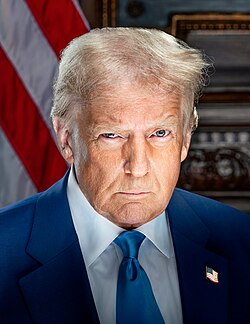
WASHINGTON, UNITED STATES — A United States-based lobbying firm has reportedly mounted pressure on former President Donald Trump and members of the U.S. Congress to consider sanctions against Nigeria following the allege deregistration of the African Democratic Congress (ADC) by the country’s electoral body.
DDM learnt that the lobbying effort is linked to concerns over the role of the Independent National Electoral Commission (INEC), with claims that the move to deregister the party raises questions about democratic integrity and political inclusiveness in Nigeria.
Sources familiar with the development indicated that the lobbying group is pushing for diplomatic and economic measures, arguing that any action perceived to limit political participation could undermine democratic principles.
The call reportedly urges U.S. policymakers to review Nigeria’s electoral processes and consider targeted sanctions if actions by authorities are deemed inconsistent with international democratic standards.

Background analysis shows that Nigeria’s electoral system has faced scrutiny in the past, particularly regarding party deregistration, election transparency, and the independence of electoral institutions.
INEC, which is constitutionally empowered to regulate political parties and oversee elections, has in previous instances deregistered parties that failed to meet specific legal and performance criteria.
However, such decisions have sometimes sparked controversy, with affected parties and observers raising concerns about fairness, political bias, and the broader implications for multiparty democracy.
The involvement of a U.S.-based lobbying firm highlights the growing role of international actors and diaspora-linked organisations in influencing political discourse around Nigeria’s governance.
Analysts note that calls for sanctions are often complex and politically sensitive, as they can affect diplomatic relations, economic cooperation, and perceptions of national sovereignty.
They also point out that while external pressure can draw attention to governance issues, it may also trigger debates within Nigeria about foreign interference in domestic affairs.
The potential involvement of figures such as Donald Trump and members of Congress suggests that the issue could gain traction within U.S. political circles, particularly if framed within broader discussions on democracy and human rights.
Observers caution, however, that the process of imposing sanctions involves multiple layers of review within the U.S. government and typically requires substantial evidence and policy consensus.
As developments unfold, attention will focus on Nigeria’s response to the allegations and whether the situation escalates into a diplomatic issue between both countries.
The situation underscores the increasing intersection between domestic political decisions and international advocacy, especially in an era where global attention on democratic practices continues to grow.




