


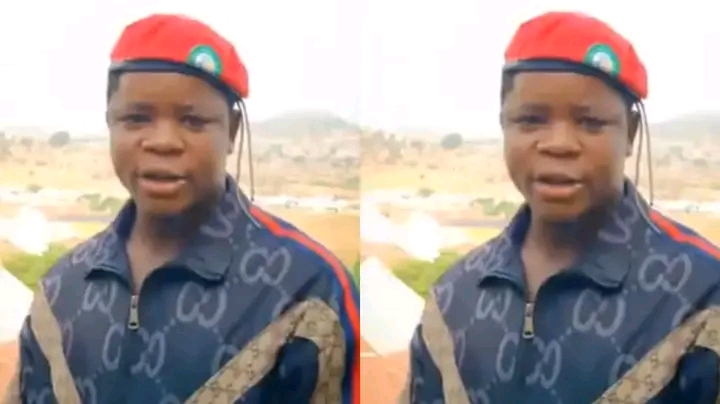
LAGOS — A Nigerian man known as Biqlion has said he will continue promoting his protest song criticizing the administration of Bola Ahmed Tinubu despite claiming he has received threats over the track.
The development highlights growing tensions around political expression and freedom of speech in Nigeria’s digital space, especially as artists and content creators increasingly use music and social media to voice dissent.
Diaspora Digital Media (DDM) gathered that Biqlion made the statement in an online post, where he alleged that unnamed individuals had sent him threatening messages demanding he delete the song.
He insisted that he would not back down, framing his music as a form of truth-telling and civic expression aimed at holding leaders accountable.

“Nigerians, I will keep sharing my song about Tinubu’s failure and bad governance despite the threats and messages asking me to delete it,” he said.
He further urged the public to stream and share the song widely, claiming that attempts to silence him were driven by discomfort with criticism.
The incident reflects a broader pattern in Nigeria where political commentary—especially critical of those in power—often generates strong reactions both online and offline.
In recent years, musicians and activists have increasingly used digital platforms to bypass traditional media channels, amplifying their messages directly to audiences.
However, this shift has also exposed creators to backlash, including harassment and alleged intimidation, particularly when their content challenges government policies or leadership.
Analysts note that protest music has long played a role in Nigeria’s political landscape, dating back to legendary figures like Fela Kuti, who used his songs to criticize government excesses and social injustice.
Biqlion’s stance echoes that tradition, positioning music not just as entertainment but as a tool for advocacy and public discourse.
Supporters argue that such expressions are protected under democratic principles, including freedom of speech and artistic expression.
Critics, however, often raise concerns about the tone and potential impact of politically charged content, especially in a polarized environment.
As reactions continue to unfold, the situation underscores the delicate balance between free expression and the realities faced by individuals who challenge authority in Nigeria.
For now, Biqlion appears determined to continue sharing his message, even as debates over dissent, governance, and civic space remain at the forefront of national conversation.




