


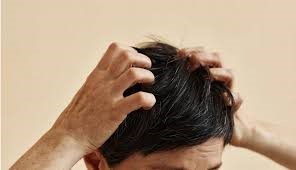
An itchy scalp is often dismissed as a minor irritation, but health experts say it can be a sign of underlying skin or hair conditions that require attention. While occasional itching may be harmless, persistent discomfort usually points to an identifiable cause.
Because there is no single reason behind scalp itchiness, proper diagnosis depends on recognising accompanying symptoms. Here are eight of the most common causes and how they are typically managed.
1. Reaction to hair products
One of the leading causes of scalp irritation is contact dermatitis, an allergic reaction to ingredients found in hair products such as dyes, shampoos, or treatments. Chemicals like para-phenylenediamine (PPD), commonly found in dark hair dyes, are known triggers. Symptoms usually improve once the irritant is identified and avoided, though patch testing by a dermatologist may be required.
2. Seborrheic dermatitis (dandruff)
A frequent cause of scalp itching is Seborrheic Dermatitis. This condition is linked to an overgrowth of yeast on the skin, leading to flaking and inflammation. Mild cases can be managed with medicated shampoos, while more severe cases may require prescription antifungal or anti-inflammatory treatments.

3. Hives
Hives can also develop on the scalp, producing raised, itchy welts. In many cases, they disappear quickly without treatment, but recurring or persistent episodes should be evaluated by a healthcare professional.
4. Psoriasis
Scalp psoriasis is a chronic autoimmune condition characterised by thick, red, scaly patches. It is not contagious but often runs in families. Treatment typically includes medicated shampoos, topical therapies, and, in more severe cases, prescription medication.
5. Ringworm infection
Scalp ringworm, medically known as Tinea Capitis, is a fungal infection that affects hair follicles and can cause patchy hair loss. Unlike skin ringworm, it requires oral antifungal medication to fully eliminate the infection.
6. Head lice
Head lice are tiny parasites that feed on the scalp and cause intense itching. They are spread through close contact and can affect anyone. Treatment usually involves medicated shampoos containing permethrin or pyrethrin, along with careful removal of lice and eggs.
7. Scalp acne
Blocked hair follicles can lead to pimples on the scalp, which may be painful or itchy. Regular washing, avoiding heavy hair products, and keeping the scalp clean can help. Persistent cases may require medical treatment.
8. Atopic dermatitis
A form of eczema known as Atopic Dermatitis can also affect the scalp, causing dryness, inflammation, and intense itching. It often begins in childhood but can appear at any age and may require long-term management with prescribed treatments.
Treatment depends on the cause
Management varies based on the underlying condition. Options include medicated shampoos, topical creams, antifungal treatments, or oral medications. Experts warn against relying on unverified home remedies, which may worsen symptoms.
When to see a doctor
Medical attention is recommended if:
- Over-the-counter treatments do not help
- Itching disrupts sleep or daily activities
- There are signs of lice or infection
- Pain or soreness develops on the scalp
Conclusion
An itchy scalp is not just a cosmetic issue it can signal a range of skin conditions that require proper diagnosis. Identifying the cause early allows for effective treatment and long-term relief.




