


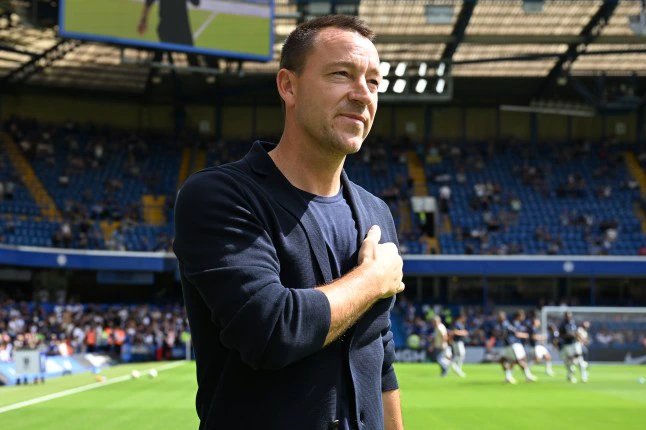
LONDON — Chelsea have shut down any possibility of club legend John Terry returning to the first-team setup in a managerial capacity following the dismissal of Liam Rosenior, as the club continues a turbulent run of form and leadership changes.
The decision comes after Chelsea sacked Rosenior on Wednesday, less than 24 hours after a heavy 3–0 Premier League defeat away to Brighton. The result extended the club’s losing streak to five league matches and intensified pressure on the coaching structure at Stamford Bridge.
Following Rosenior’s exit, Chelsea moved quickly to install Calum McFarlane as interim manager for the remainder of the season. The club positioned the appointment as a stabilisation step, aiming to halt the downward momentum while they reassess long-term managerial direction.
Reports initially suggested that Terry had expressed openness to stepping in on a temporary basis. The former captain, widely regarded as one of the most influential figures in Chelsea’s modern history, currently works in a part-time mentoring role within the club’s academy system.

However, Chelsea’s hierarchy moved decisively to reject any idea of his involvement with the senior team. Club officials ruled out both interim and permanent managerial consideration, signalling that they intend to separate academy mentorship roles from first-team coaching decisions.
The stance comes despite ongoing speculation among supporters and media commentators. TalkSPORT presenter Andy Jacobs, who also follows Chelsea closely as a season ticket holder, said Terry would have accepted a short-term role if the club had offered it. He also noted that a section of fans would have supported such a move given Terry’s legacy at Stamford Bridge.
Even so, Chelsea leadership maintained their position and communicated clearly that internal sentiment would not influence first-team managerial decisions. The club continues to prioritize external or designated coaching appointments rather than symbolic returns from former players.
Terry’s current role remains limited to youth development work. He continues to mentor academy players but has not participated in recent Under-21 coaching transitions. Earlier in the season, when Chelsea reshuffled youth coaching staff following changes linked to Enzo Maresca’s departure, Terry did not feature among those promoted or reassigned to higher responsibilities.
Speaking earlier in the year, Terry expressed frustration about being overlooked for interim senior opportunities. He stated that he had contributed to the Under-21 setup during previous transitional periods but felt the club should have considered him when senior vacancies emerged.
Chelsea’s latest managerial decision highlights ongoing instability in the club’s sporting structure. Frequent coaching changes have defined recent seasons, and results-driven pressure continues to shape short-term appointments.
The appointment of McFarlane reflects a holding strategy as Chelsea attempt to stabilise performances and restore competitiveness in the final stretch of the campaign. Analysts expect further review of the club’s managerial framework at the end of the season as leadership evaluates long-term direction.
Going forward, Chelsea’s rejection of a Terry return signals a clear preference for separating legacy influence from operational coaching decisions, even as supporters continue to debate the value of former players stepping into crisis-management roles.

