


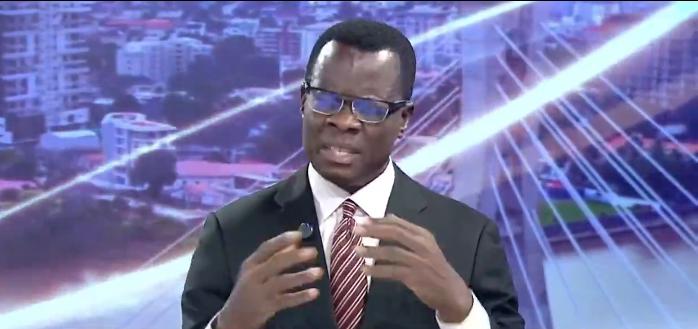
Former Independent National Electoral Commission official Mike Igini has raised alarm over Sections 63 and 138 of the proposed 2026 Electoral Act, warning that the provisions could weaken safeguards at the polling unit level during the 2027 general elections.
He made the warning during an electoral reform engagement in Abuja, where stakeholders reviewed proposed amendments to Nigeria’s voting laws. He argued that the changes introduce serious operational risks that could affect how ballot papers are verified, accepted, and counted during elections.
Igini focused particularly on Section 63, stating that it permits presiding officers to accept ballot papers even when they do not carry INEC’s official manufacturer markings or security features. He described this as a major departure from existing safeguards designed to ensure only properly authenticated ballots are counted.
He explained that the provision effectively gives polling officials discretionary power to decide whether ballot papers without official security identifiers should still be accepted and counted. According to him, this could create inconsistencies across polling units and weaken uniform election standards nationwide.

He warned that under this arrangement, ballot papers lacking official security marks may still be treated as valid once presented at polling stations. He said this creates a dangerous loophole that could compromise the credibility of vote verification and counting processes.
Igini further stated that individuals with access to INEC’s serial formats and security specifications could exploit the gap. He warned that such actors could produce counterfeit ballot papers that closely resemble official materials, making detection at polling units more difficult.
He added that the risk becomes even higher where polling officials operate under pressure, limited supervision, or challenging election-day conditions. He stressed that weak verification controls could make it harder to separate genuine ballot papers from unauthorised copies during counting.
He also highlighted Section 138, arguing that it compounds the problems introduced by Section 63. He said both provisions together could create confusion in handling disputes related to ballot authenticity during collation and result announcement.
Igini warned that such legal ambiguity could heighten post-election tensions, particularly in tightly contested races where every vote becomes critical. He said unclear standards at the polling level often escalate into broader electoral disputes after results are declared.
He stressed that electoral integrity depends on strict control and traceability of sensitive materials, especially ballot papers. He argued that any relaxation of security requirements could weaken public trust in electoral outcomes and damage confidence in the democratic process.
He called for stronger and clearer safeguards in the final version of the Electoral Act, insisting that polling unit procedures must remain consistent, transparent, and resistant to manipulation.
Analysts say his concerns reflect wider debates over how to balance administrative flexibility with strong electoral security as Nigeria prepares for the 2027 general elections.




