


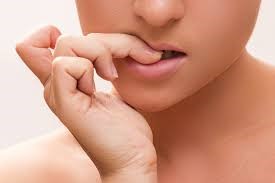
Health specialists are drawing attention to nail biting as a common stress-related behavior, offering practical strategies to help individuals overcome the habit and improve overall well-being.
Often triggered by stress, boredom, or intense concentration, nail biting affects a significant portion of the population. Studies suggest that between 20 and 30 percent of people engage in the behavior regularly, with even higher rates observed among adolescents. While it may provide temporary relief, experts warn that the habit can lead to damaged nails, skin irritation, and increased risk of infection.
Medically referred to as Onychophagia, the behavior is classified as a body-focused repetitive action. According to specialists, it functions as a subconscious coping mechanism for managing uncomfortable emotions.

Understanding the Triggers
Experts explain that stress activates physiological responses in the body, creating tension that often seeks release. Nail biting can provide short-term relief by soothing discomfort, distracting the mind, and operating as an automatic habit developed over time.
However, stress is not the only cause. Boredom, perfectionism, and prolonged focus on tasks can also prompt the behavior, as individuals seek ways to occupy their hands or channel frustration.
Strategies to Break the Habit
Specialists emphasize that overcoming nail biting requires patience, awareness, and consistent effort. Among the most effective approaches:
- Build Awareness Through Mindfulness
Recognizing the moment the habit begins is the first step toward change. Simple techniques such as pausing, breathing, and reflecting on triggers can help interrupt automatic responses. - Maintain Proper Nail Care
Keeping nails short and well-groomed reduces the urge to bite. Some individuals also use bitter-tasting nail coatings as a deterrent. - Address Underlying Stress
Managing stress through relaxation techniques, exercise, or professional support can reduce the frequency of the habit. - Use Alternatives for Restless Hands
Items such as stress balls or fidget tools can redirect the urge, keeping hands occupied without causing harm. - Create Physical Barriers
Wearing gloves or using bandages can make nail biting more difficult, helping to break the automatic cycle. - Set Achievable Goals
Experts recommend gradual progress, starting with short periods without biting and building consistency over time. - Seek Professional Support if Needed
In persistent cases, therapists can help identify triggers and develop coping mechanisms, while medical professionals may address underlying anxiety.
Health Implications
Although often dismissed as harmless, chronic nail biting can introduce bacteria into the body, damage nail beds, and, in severe cases, affect dental health. Over time, repeated biting may lead to long-term nail deformities and infections.
Experts conclude that breaking the habit involves a combination of managing emotional triggers, creating physical deterrents, and building new behavioral patterns. While progress may be gradual, consistent effort can lead to lasting change and healthier habits.




