


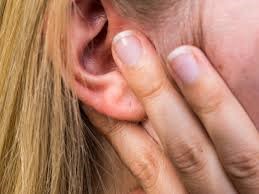
A blocked ear can be uncomfortable and disruptive, often causing muffled hearing, pressure, or even dizziness. One of the most common causes is a buildup of earwax, medically known as Cerumen. While earwax plays a protective role, excessive accumulation can lead to blockage and hearing difficulties.
Health experts say understanding safe removal methods is essential to avoid complications.
Why Earwax Buildup Occurs
Earwax is naturally produced to trap dust and protect the ear canal. In most cases, it clears itself. However, buildup may occur when wax is pushed deeper into the ear often by cotton swabs or due to frequent use of earbuds, earplugs, or hearing aids. Some individuals are also more prone to buildup because of naturally narrow ear canals or harder wax consistency.

Common Symptoms
Earwax blockage can lead to reduced hearing, a feeling of fullness, discomfort, itching, and ringing in the ears, also known as Tinnitus. In some cases, dizziness may also occur.
Recommended Removal Methods
- Ear Drops
Medical professionals often recommend ear drops as a first-line home treatment. Solutions such as saline, mineral oil, or hydrogen peroxide-based drops can help soften hardened wax, allowing it to exit naturally. Users are advised to follow instructions carefully and discontinue use if irritation occurs. - Warm Water Irrigation
Gently flushing the ear with lukewarm water may help remove softened wax. However, experts warn that this method should be used cautiously and avoided entirely in cases of ear pain, infection, or a damaged eardrum. - Microsuction (Preferred Clinical Method)
Specialists widely consider microsuction the safest and most effective approach. The procedure involves using a small suction device under direct observation to remove wax without water, reducing the risk of complications. - Manual Removal by Professionals
In some cases, healthcare providers may use specialized instruments to remove impacted wax. This method is particularly useful when buildup is severe or resistant to other treatments. - Clinical Irrigation
Performed in a medical setting, this method uses controlled pressure and sterile equipment, making it safer than home irrigation.
Practices to Avoid
Experts strongly caution against inserting objects into the ear. Cotton swabs can push wax deeper, while sharp objects may damage the ear canal or eardrum. Ear candling is also discouraged due to lack of scientific support and potential risks such as burns or further blockage.
When to Seek Medical Attention
Professional care is recommended if symptoms persist or worsen, particularly in cases of significant hearing loss, pain, discharge, or ongoing dizziness. Individuals with a history of ear surgery or eardrum issues should also avoid self-treatment.
Prevention Tips
To reduce the risk of buildup, experts advise allowing the ears to clean themselves naturally, limiting the use of earbuds, and keeping ears dry after exposure to water. Occasional use of ear drops may help those prone to buildup.
Conclusion
While earwax blockage is common, safe and effective treatment options are available. Health professionals emphasize avoiding harmful practices and seeking expert care when necessary. Proper ear care not only restores hearing but also protects long-term ear health.




