


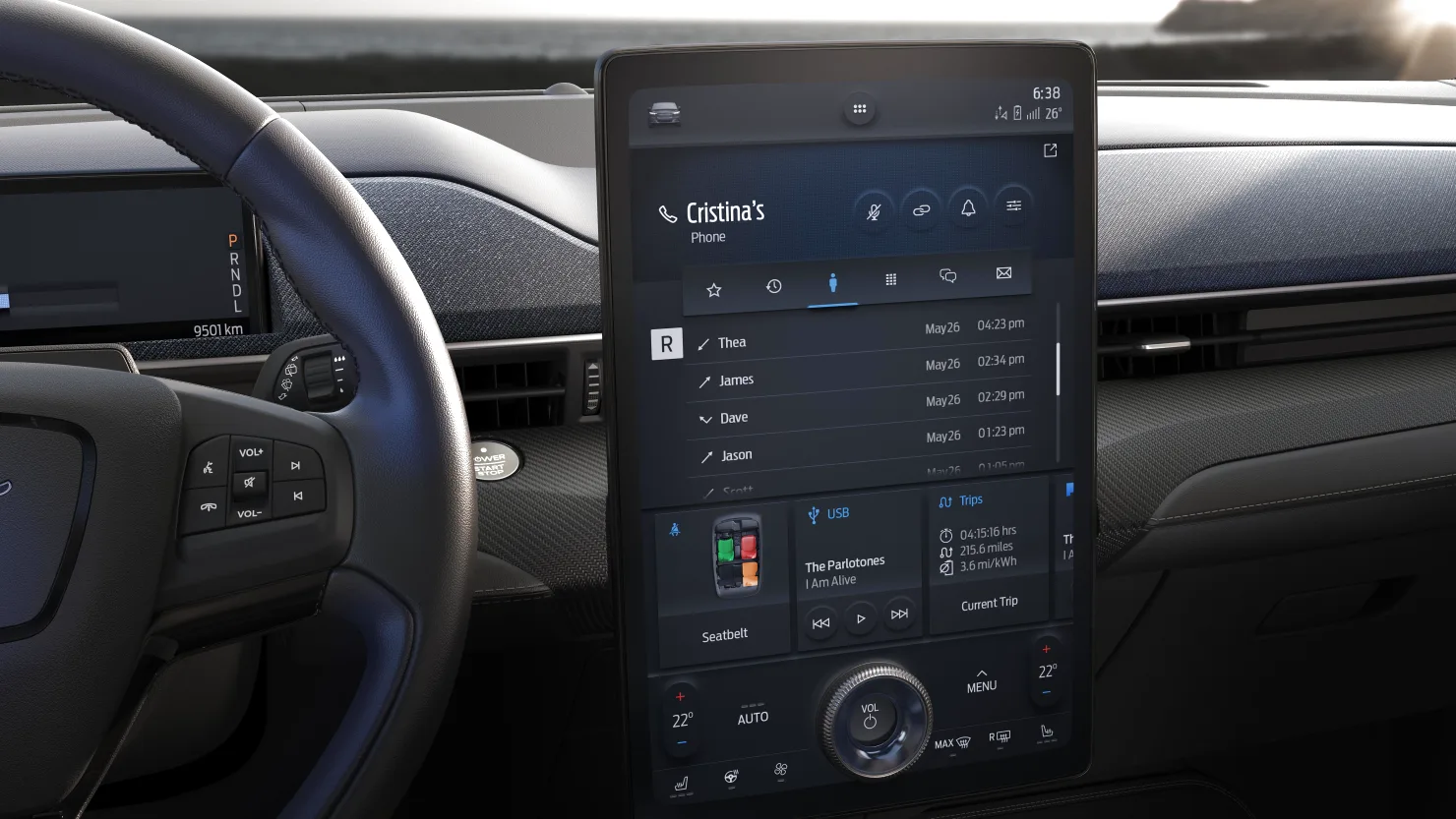
Syncing your phone to a rental car infotainment system poses severe privacy risks
Essentially, modern rental cars pose a hidden threat to consumers. Travelers unknowingly expose their sensitive personal data during vacations. Connecting a smartphone to an infotainment system creates massive vulnerabilities. Hackers can retrieve this private information long after you leave.
The Invisible Threat Inside Rental Cars
Specifically, travelers face significant privacy risks when they rent vehicles. Many drivers plug their smartphones into rental cars without hesitation. This simple action silently transfers highly sensitive personal information immediately. The car system stores this data indefinitely inside its memory. Unsuspecting users rarely consider the long-term consequences of this convenience. Their personal data remains trapped inside the vehicle dashboard forever.
Furthermore, this transferred data includes call logs and text messages. The vehicle interface also copies personal contacts and GPS histories. Drivers unknowingly leave their entire digital lives behind them. Future renters can easily access this residual data later. Hackers exploit these vulnerabilities to steal valuable personal identities. Identity theft occurs frequently due to these careless digital habits.

Understanding Information Stored In Vehicles
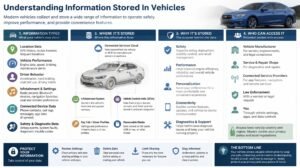
Simultaneously, the Federal Trade Commission strongly warns consumers about these dangers. Their official guidelines highlight the extensive data retention in vehicles. Modern infotainment systems automatically download address books upon connection. The car software rarely deletes this information automatically after use. Federal investigators continue to scrutinize these alarming industry practices. Consumers must take proactive steps to guard their personal privacy.
Additionally, business executives must recognize this severe cybersecurity threat immediately. Corporate data breaches often begin through these seemingly harmless connections. Similar to major financial moves like Otedola Invests $100m In Dangote Refinery Public Offer, security remains paramount. Professionals must safeguard their sensitive communications from malicious third parties. A single compromised rental car can expose entire corporate networks. Hackers actively target corporate employees through these unsecured automotive systems.
Strategies For Maximum Data Protection
Therefore, cybersecurity experts recommend safer alternatives for charging mobile devices. Drivers should use traditional cigarette lighter adapters instead of USBs. Modern USB ports automatically trigger data synchronization across connected systems. A recent CNBC report outlines these hidden mechanical risks clearly. Adapters provide essential electrical power without initiating data transfer protocols. This simple swap eliminates the primary method of data theft.
However, drivers must manually delete their information before returning cars. Users should navigate the vehicle settings to locate connected devices. The dashboard menu usually provides an option to unpair phones. Legal experts at Reed Smith LLP suggest factory resets when possible. This deliberate action ensures complete removal of all personal records. Rental agencies rarely clear this data between customer reservations.
Long-term Privacy Implications
Consequently, national security agencies now monitor connected vehicles very closely. Modern automobiles function essentially as massive mobile data collection centers. The government recognizes the vast threats posed by unrestricted data. Foreign adversaries could potentially harvest this precise geolocation data. Malicious actors use this tracking information to monitor unsuspecting citizens. Consumers demand stronger regulations to force automakers to comply.
Meanwhile, privacy advocates urge manufacturers to redesign these infotainment interfaces. Cars should automatically erase driver profiles once rental periods end. Current software designs place the entire security burden on consumers. The Federal Communications Commission recently fined carriers for similar violations. Ultimately, automated data wiping must become a universal industry standard. Automakers must prioritize consumer privacy over convenient technological features soon.
To conclude, renting a modern car requires active digital vigilance. Drivers must break the dangerous habit of blindly connecting smartphones. Taking a few extra seconds protects your valuable digital identity. Always remember to clear your digital footprint before walking away. Your privacy depends entirely on your personal awareness and caution.




