


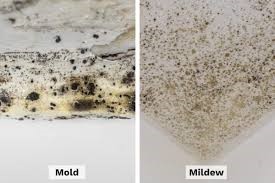
Mildew and mold remain among the most common household concerns, yet many people struggle to distinguish between the two. While they may appear similar at first glance, experts say the differences go beyond appearance and can significantly affect how each should be managed.
Improper identification often leads to ineffective cleaning methods and, in some cases, allows the problem to worsen. Understanding how mildew and mold differ, their potential risks, and the appropriate ways to address them is essential for maintaining a safe and healthy indoor environment.
Key Differences Between Mildew and Mold
Mildew is generally considered a surface-level fungus that appears in lighter shades such as white, gray, or yellow. It typically forms in damp areas like bathroom tiles, window frames, and fabrics. Because it remains on the surface, mildew is usually easy to remove with basic household cleaning solutions.

Mold, on the other hand, is more invasive. It often appears in darker colours such as black, green, or brown and can penetrate deep into materials like wood, drywall, and insulation. This makes it more difficult to eliminate and increases the risk of structural damage.
Health and Environmental Impact
Both mildew and mold can affect indoor air quality, but mold poses a greater concern. While mildew may cause mild irritation or a musty smell, mold releases airborne spores that can trigger allergies, respiratory issues, and other health complications, particularly in poorly ventilated spaces.
In addition to health risks, mold can weaken building structures, stain surfaces, and create persistent odours if left untreated.
Which Is More Dangerous?
Experts generally agree that mold is significantly more hazardous than mildew. Its ability to spread rapidly, damage property, and impact health makes early detection and proper treatment critical. Mildew, though less severe, should not be ignored, as it can create conditions that allow mold to develop.
Removal and Treatment
Mildew can often be removed using simple solutions such as a mixture of water and white vinegar. After cleaning, it is important to dry the area thoroughly to prevent recurrence.
Mold removal requires more caution. For small areas, protective gear such as gloves and masks is recommended, along with specialised cleaning products. However, when mold spreads into porous materials or covers large areas, professional intervention may be necessary, as surface cleaning alone may not eliminate the problem.
Common Mistakes
Specialists warn against treating mold the same way as mildew. Simply wiping the surface may temporarily improve appearance but often fails to address deeper growth. Ignoring moisture sources, failing to dry cleaned areas, and delaying action are among the most common mistakes that contribute to recurring issues.
Prevention Measures
Preventing mildew and mold largely depends on controlling moisture levels within the home. Recommended steps include:
- Keeping indoor humidity below 50 percent
- Ensuring proper ventilation in bathrooms and kitchens
- Fixing leaks promptly
- Drying wet areas quickly
- Using dehumidifiers in damp spaces
When to Seek Professional Help
While minor cases can be handled at home, experts advise seeking professional assistance if mold covers a large area, keeps returning, or is suspected to be hidden behind walls or ceilings. Persistent musty odours may also indicate underlying mold growth that requires specialised tools to detect and remove safely.
Conclusion
Maintaining a clean, dry environment is key to preventing both mildew and mold. By recognising the differences and acting promptly, homeowners can reduce health risks, avoid costly repairs, and ensure better indoor air quality.




