


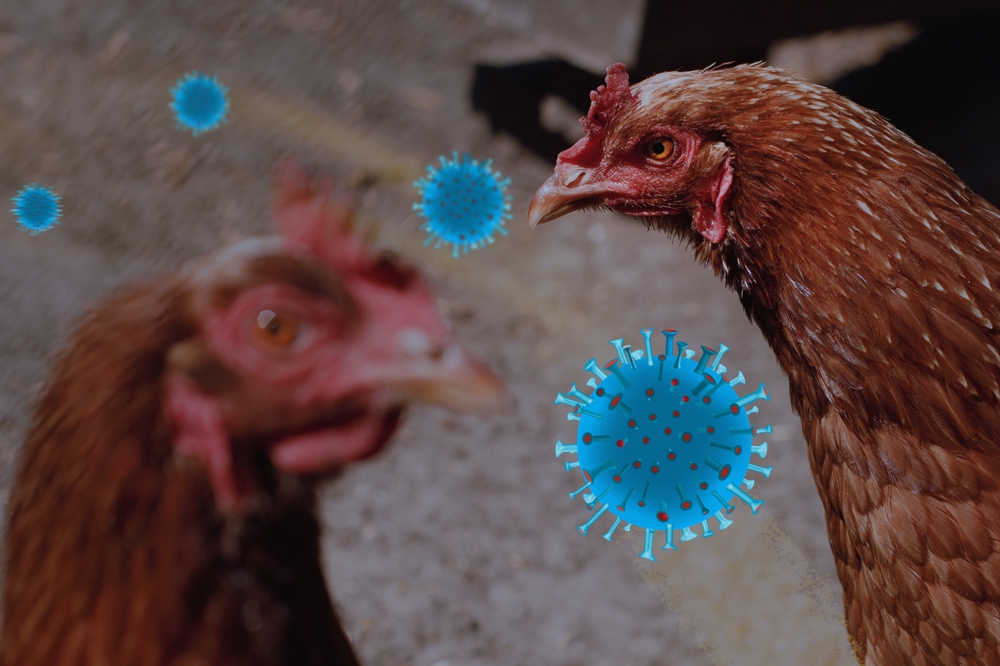
The World Health Organization (WHO) has issued a fresh warning over the global spread of the H5N1 avian influenza virus, describing the situation as an elevated zoonotic threat following confirmed transmission to mammals and continued outbreaks in poultry populations across multiple regions.
Health authorities report that the virus, part of the rapidly evolving clade 2.3.4.4b, is driving what experts now describe as a global panzootic a widespread animal epidemic affecting multiple species across continents. The WHO is currently processing record volumes of virus samples as it monitors mutations and potential risks to human health.
In early March 2026, Japan confirmed a new outbreak in domestic poultry in Iwate Prefecture, prompting the culling of more than 550,000 birds in a bid to contain the spread. Meanwhile, in the United States, the United States Department of Agriculture (USDA) reported outbreaks in at least 20 commercial poultry operations within a single week, underscoring the scale and سرعة of transmission.
Although there is currently no confirmed sustained human-to-human transmission, global health experts warn that the virus’s continued evolution increases the risk of adaptation, making close monitoring essential. The WHO emphasized that while the immediate risk to humans remains limited, the situation demands heightened surveillance and preparedness.

A New Era of Global Health Response
The ongoing outbreak comes amid a broader shift in the global health landscape, where countries are increasingly prioritizing regional cooperation over centralized global systems. Initiatives such as partnerships between regional health bodies, including collaborations involving Japan and African health institutions, are emerging as critical tools in managing cross-border disease threats.
Experts say the effectiveness of these alliances will determine whether localized outbreaks can be contained before escalating into global crises. The fragmented nature of current global health governance places greater responsibility on regional coordination and rapid response mechanisms.
Pandemic Preparedness Put to the Test
The unfolding H5N1 situation is also seen as a critical test for the proposed 2026 Pandemic Agreement, particularly its Pathogen Access and Benefit-Sharing (PABS) framework. The agreement aims to ensure timely sharing of pathogen data and equitable access to vaccines and treatments.
Public health leaders stress that in an era where infectious diseases can spread rapidly across borders, global cooperation is no longer optional. Ensuring equitable access to resources, they argue, is essential not only for fairness but for effective disease control.
As the virus continues to spread among animal populations, the WHO is urging governments to strengthen surveillance systems, improve biosecurity in agriculture, and enhance international collaboration to reduce the risk of a wider public health emergency.




