


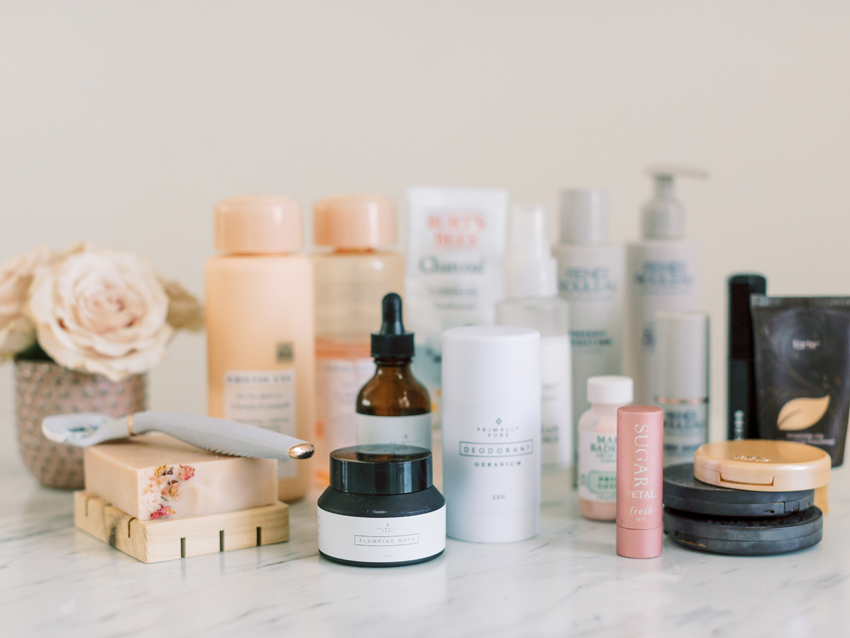
Across Nigeria, beauty products are a routine part of daily life. From eyeliners purchased in open markets to body creams from local chemists and powders sold online, many consumers rely on a wide range of affordable and easily accessible options. Traditional products and so-called “organic” mixtures are also widely used and trusted within communities. However, widespread use does not always guarantee safety.
Concerns are growing over the contents of some cosmetics, particularly those that are unlabelled, repackaged, or produced outside formal regulatory systems. Recent findings have shown that certain commonly used products, including local eyeliners and some skin-lightening creams, may contain lead a toxic substance that can pose serious health risks.
Lead exposure is especially dangerous because it often occurs without immediate or visible symptoms. Continuous use of contaminated cosmetics can lead to gradual accumulation in the body. This risk is particularly significant for women of reproductive age, pregnant women, infants, and young children, as lead can affect development and vital body systems.
Health experts warn that there is no safe level of lead exposure. The substance can build up in bones over time and may later enter the bloodstream, including during pregnancy, potentially affecting an unborn child. While public discussions around lead poisoning in Nigeria have largely focused on industrial sources such as mining, battery recycling, and paint, attention is increasingly shifting to everyday consumer products, including cosmetics.

National health frameworks have acknowledged that lead exposure can also come from household items such as toys, medicines, and personal care products. This has raised calls for stronger monitoring of the cosmetics market, which continues to expand rapidly.
Investigations have found that some traditional eye cosmetics sold under different local names may contain high levels of lead. In addition, studies conducted in parts of the country have detected heavy metals such as lead, cadmium, and nickel in a number of personal care products, sometimes exceeding recommended safety limits.
The issue, however, is not the use of cosmetics itself, but the lack of reliable safety information available to consumers. Many buyers are unable to identify harmful substances in products, while some sellers may also be unaware of potential contamination. This creates a situation where individuals are unknowingly exposed to health risks through routine use.
Experts stress that responsibility should not rest solely on consumers. Ensuring product safety requires stronger oversight across manufacturing, importation, labelling, and distribution processes. Improved market surveillance and public health education are also considered essential in reducing exposure risks.
While not all cosmetics are unsafe, the findings highlight the need for stricter regulation and greater awareness to ensure that everyday beauty routines do not become a hidden source of harm.




