


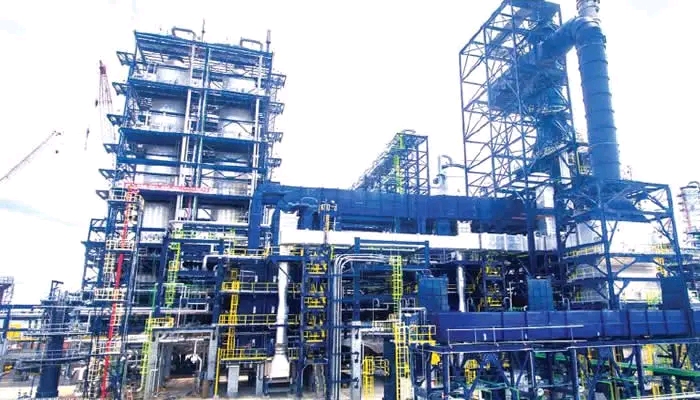
LAGOS, NIGERIA — The Dangote Petroleum Refinery has exported an estimated 57 million barrels of jet fuel between April 2024 and April 2026, according to industry data, marking a significant milestone in its refining and export operations.
The report indicates that export volumes have fluctuated over the two-year period, reflecting changing global demand patterns and operational scaling adjustments at the refinery.
Despite the variations, shipments reportedly rose to a peak of about 160,000 barrels per day in the latest recorded data, highlighting increased output capacity.
Industry analysts say the development underscores Nigeria’s growing role in refined petroleum exports, particularly in aviation fuel supply chains.

The Dangote refinery, located in the Lekki Free Zone, has been positioned as one of the largest single-train refineries in the world, designed to reduce Nigeria’s dependence on imported refined products.
Energy experts note that consistent jet fuel exports signal improved operational stability and integration into international fuel markets.
The refinery’s output is also expected to contribute to foreign exchange earnings and reduce pressure on Nigeria’s import bill for refined petroleum products.
Market observers say fluctuations in monthly export figures are common in large-scale refining operations due to maintenance cycles, shipping logistics, and global pricing dynamics.
The reported growth in export volumes comes as global aviation demand continues to recover and expand after previous downturns.
Analysts believe sustained output at this level could strengthen Nigeria’s position in the global energy supply chain.
The refinery’s performance is also being closely watched by policymakers seeking to boost domestic refining capacity and energy independence.
Economic experts argue that large-scale export activity from local refineries could reshape Nigeria’s downstream petroleum sector over time.
However, they caution that long-term success will depend on stable operations, crude supply consistency, and supportive regulatory frameworks.
The jet fuel export milestone adds to ongoing discussions about industrial transformation and private sector-led infrastructure development in Nigeria’s energy sector.
As operations continue, attention will remain on how the refinery manages production efficiency and expands its export reach in the global market.




