


STRAIT OF HORMUZ — May 2026 — Tensions between the United States and Iran have escalated sharply after both sides exchanged fire in the strategic Strait of Hormuz, raising doubts over the survival of a fragile ceasefire previously announced by U.S. President Donald Trump.
According to multiple reports, Iranian forces and U.S. naval units engaged in a brief but intense confrontation involving missiles, drones, and naval responses in the busy maritime corridor.
The incident reportedly began after Iranian forces targeted U.S. naval vessels operating in the region, prompting a swift retaliatory strike by American forces on Iranian military positions near coastal areas.
Despite the exchange, U.S. officials insist that the broader ceasefire arrangement remains technically in place, though it is now under severe strain.

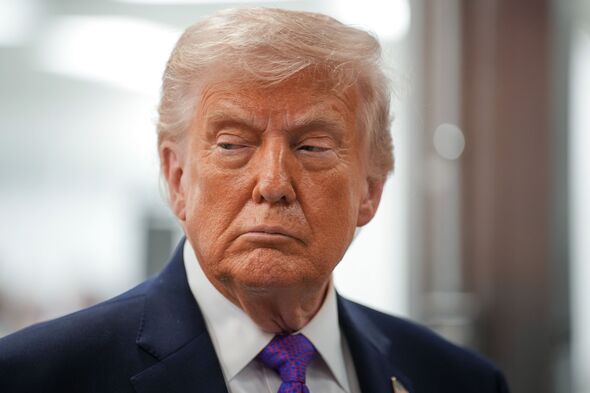
President Trump, speaking after the incident, maintained that the ceasefire agreement was still active and described the situation as a limited “response exchange” rather than a breakdown of peace efforts.
However, Iranian officials have disputed this claim, accusing the United States of violating the ceasefire terms and escalating tensions through continued military presence in the waterway.
The Strait of Hormuz, a critical global oil shipping route, has become a flashpoint in recent weeks due to repeated naval encounters and competing military operations in the region.
Military analysts say the latest exchange reflects growing mistrust between both nations, despite ongoing diplomatic efforts to prevent a full-scale conflict.
Reports indicate that no major warships were destroyed during the confrontation, although both sides claim to have inflicted damage on the other’s military assets.
The U.S. Central Command stated that its forces responded defensively and successfully intercepted incoming Iranian drones and missiles during the incident.
Iranian media, however, described its operation as a response to earlier American actions and insisted that its forces successfully pressured U.S. naval movements in the area.
The exchange has triggered renewed concern among global markets, with analysts warning that continued instability in the Strait of Hormuz could disrupt global oil supply chains and drive up energy prices.
Diplomatic sources say mediation efforts involving third-party countries are still ongoing, but trust between Washington and Tehran remains fragile.
Security experts note that both countries appear unwilling to fully de-escalate while maintaining military posturing in the region.
The situation has also raised concerns among regional allies and international shipping operators, many of whom rely heavily on safe passage through the Strait.
While both governments publicly insist that a wider war is not their intention, the latest clash highlights how quickly the situation could deteriorate if further incidents occur.
Attention now shifts to whether diplomatic channels can stabilise the situation or whether further military exchanges will push the region closer to open conflict.




