



Tensions between the United States and Iran have escalated once again following a reported exchange of fire in the Strait of Hormuz, casting uncertainty over claims that a ceasefire agreement between both countries remains in effect.
The confrontation reportedly involved Iranian forces launching missiles, drones, and fast-attack boats toward three United States Navy destroyers operating in the strategic waterway. The U.S. military responded with retaliatory strikes targeting Iranian military infrastructure, including missile launch sites and surveillance facilities positioned along the Persian Gulf coastline.
American defence officials confirmed that all U.S. naval vessels involved in the incident remained unharmed, stating that defensive systems successfully intercepted incoming threats. The U.S. Central Command described its response as a defensive action taken to protect personnel and assets operating in international waters.

Iran, however, presented a conflicting account of events, accusing the United States of initiating the escalation. Iranian authorities alleged that U.S. forces first targeted one of their oil tankers and nearby coastal installations, prompting what they described as a necessary and proportional response. Tehran further maintained that its military action was carried out in self-defence and in line with international maritime law.
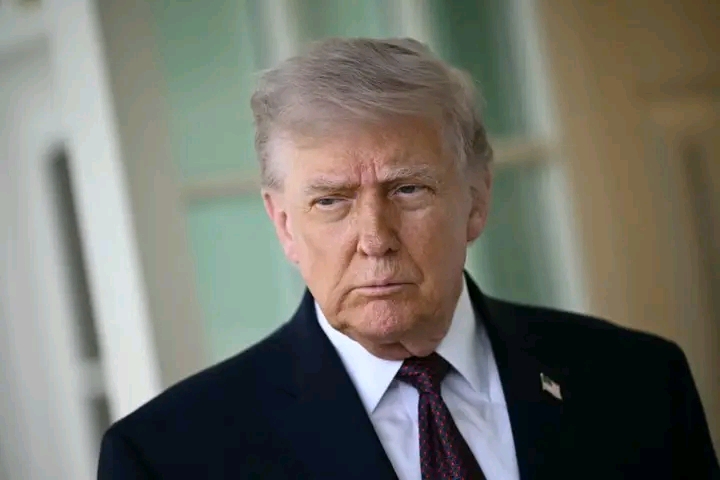
The latest exchange comes against the backdrop of a fragile ceasefire arrangement that had been publicly acknowledged in recent weeks. Despite the renewed hostilities, former U.S. President Donald Trump insisted that the ceasefire remains in place, describing the incident as a limited and controlled confrontation rather than a breakdown in peace efforts.
Trump stated that American forces acted decisively to neutralise threats while warning Iran against further provocations. He added that any additional attacks on U.S. military assets would be met with a stronger response. He also reiterated calls for Iran to return to diplomatic negotiations aimed at achieving a broader and more lasting agreement.
The conflicting narratives from both Washington and Tehran have created further confusion over the actual status of the ceasefire. International observers note that both sides continue to accuse each other of violating previous understandings, making it increasingly difficult to determine whether the truce is still operational or has effectively collapsed.
The Strait of Hormuz, where the incident occurred, remains one of the most strategically important maritime corridors in the world. A significant portion of global crude oil shipments passes through the narrow waterway, making it highly sensitive to any form of military escalation. Even minor disruptions in the area often trigger immediate reactions in global energy markets.
Following reports of the exchange, crude oil prices saw upward movement as traders reacted to concerns over potential supply disruptions. Analysts warn that continued instability in the Gulf region could have broader implications for global energy security and international trade routes.
Diplomatic efforts are reportedly ongoing behind the scenes, with several international actors attempting to prevent further escalation. Mediators are said to be encouraging both Washington and Tehran to maintain communication channels and avoid actions that could lead to a wider conflict. Discussions are also believed to include proposals aimed at reinforcing maritime safety and restoring a more stable ceasefire framework.
Despite these efforts, security analysts caution that the situation remains highly volatile. Both countries are understood to maintain significant military presence in the region, increasing the risk of miscalculation or accidental escalation. The close proximity of naval forces in such a tense environment further heightens concerns among defence experts.
The latest developments underscore the persistent fragility of relations between the United States and Iran, which have remained strained for years due to disagreements over nuclear activity, regional influence, and military operations in the Middle East.
While both governments have publicly expressed interest in avoiding full-scale war, continued exchanges of fire suggest that the path toward lasting peace remains uncertain. The evolving situation in the Strait of Hormuz is now being closely monitored by global powers, who fear that any further escalation could destabilise the wider region and disrupt international economic stability.




