



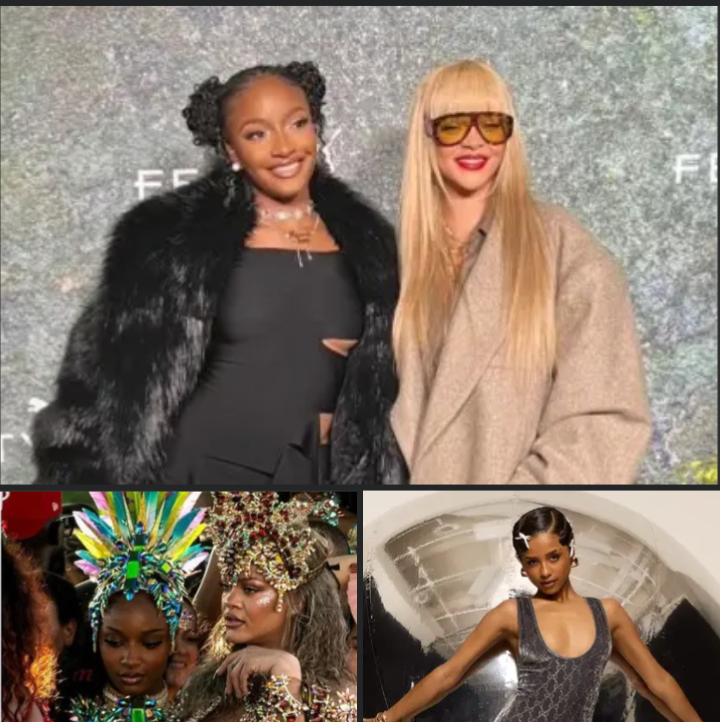
The release of Rihanna’s latest music video for “Who’s Dat Girl” has sparked widespread discussion across social media platforms, with fans drawing comparisons between South African singer Tyla and Nigerian Afrobeats star Ayra Starr. What began as reactions to the visuals has quickly developed into a broader online conversation about style influence, artistic identity, and the rising global presence of African female musicians.
The video, which has been widely praised for its polished production, bold fashion direction, and cinematic appeal, immediately gained traction among music fans worldwide. However, attention soon shifted from Rihanna’s performance to interpretations made by online users who believe certain aesthetic elements in the video echo the creative styles associated with Tyla and Ayra Starr.

As clips from the video circulated across X, Instagram, and TikTok, users began comparing performance energy, wardrobe choices, and visual storytelling techniques linked to both African artists. These comparisons have since fueled a growing fan debate, with supporters of each singer defending their preferred star while highlighting perceived differences in artistry and branding.

Tyla, who has experienced a rapid rise in global recognition, is widely known for her blend of pop, R&B, and amapiano influences. Her breakout success in recent years has positioned her as one of South Africa’s most prominent music exports, with increasing international performances and collaborations contributing to her growing global profile.
Ayra Starr, signed to Mavin Records, has similarly established herself as one of the leading voices of the new Afrobeats generation. Her distinctive vocal style, confident stage presence, and youth-driven appeal have earned her significant recognition across Africa and beyond, including chart success and international award nominations.

Both artists represent a new wave of African female talent gaining traction on the global stage, and industry observers note that comparisons between them have become more common as their careers continue to expand internationally. Analysts argue that such comparisons are often amplified by social media engagement rather than direct artistic competition.
The current debate surrounding Rihanna’s video reflects how digital platforms increasingly shape music conversations, where fan interpretations can quickly transform artistic releases into broader cultural discussions. In this case, attention has shifted from the original content to perceived similarities between emerging global stars.
Despite the online discourse, neither Tyla nor Ayra Starr has made any public comment regarding the comparisons or the fan-generated rivalry narrative. Both artists continue to focus on their individual careers, with ongoing projects, performances, and anticipated releases expected to further strengthen their positions in the international music industry.

Entertainment commentators suggest that the rivalry narrative circulating online is largely driven by fan communities rather than any real professional conflict between the artists. They emphasize that both singers are independently building successful careers and are part of a broader movement of African musicians gaining global recognition.
Rihanna’s “Who’s Dat Girl” video itself has also received strong praise from viewers and critics, with many highlighting its visual creativity, high production value, and artistic direction. The project has been described as another example of Rihanna’s continued influence in shaping global pop culture visuals, even as discussions around it expand beyond her performance.
The viral reaction once again highlights the evolving nature of music consumption in the digital era, where audience engagement often extends far beyond the original release. Social media users increasingly play a central role in shaping narratives, creating comparisons, and driving trends that influence how artistic works are perceived globally.
Industry experts note that the growing visibility of African artists like Tyla and Ayra Starr reflects a significant shift in global music dynamics. Afrobeats and Afro-fusion genres continue to gain international acceptance, with African musicians now regularly competing on global charts and collaborating with top-tier international acts.
Rather than indicating rivalry, analysts argue that the ongoing comparisons may actually underscore the shared success of African female artists who are breaking new ground in global entertainment. Their simultaneous rise highlights the expanding influence of African music culture in shaping contemporary global sound and style.
As discussions continue online, the focus remains on how digital culture amplifies perception, often turning artistic appreciation into competitive debate. In this case, Rihanna’s visual release has become a catalyst for wider conversations about representation, influence, and the growing prominence of African talent in the international music industry.


