


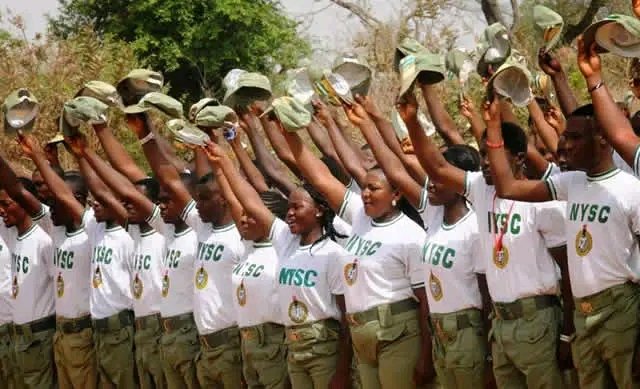
The Independent National Electoral Commission has unveiled plans to mobilise approximately 1.4 million members of the National Youth Service Corps for deployment during the 2027 general elections, in what is shaping up to be one of the largest election staffing operations in Nigeria’s democratic history.
The announcement reflects early preparations by the electoral body to ensure a more organised, transparent, and efficient voting process across the country when Nigerians return to the polls to elect new leaders at federal and state levels.
According to the commission, the involvement of corps members remains a key pillar of Nigeria’s electoral system due to their neutrality, numerical strength, and nationwide distribution. Over the years, the NYSC scheme has provided a dependable pool of young graduates who serve as ad hoc election officials during general elections.

The planned deployment is expected to cover critical election duties including voter accreditation, supervision of polling units, assistance in ballot sorting, and support in result collation processes. These roles are usually carried out under the supervision of officials of the Independent National Electoral Commission.
Election officials say the strategy is designed to reduce logistical bottlenecks, improve coverage of polling units in remote areas, and enhance the overall efficiency of election day operations.
The electoral body noted that preparations for the 2027 elections are already underway despite the fact that the official election timeline is still months away. The commission explained that early planning is necessary due to the size and complexity of Nigeria’s electoral landscape, which involves millions of registered voters spread across thousands of polling units.
The use of corps members has long been a defining feature of Nigeria’s electoral process. Their participation is widely regarded as essential to ensuring adequate manpower during elections, particularly given the scale of operations required to manage voting across all parts of the country.
However, the deployment of young graduates has also attracted debate in recent years. Concerns have been raised about their exposure to security risks, particularly in areas with electoral tensions, as well as the need for stronger training to prepare them for their responsibilities on election day.
In response to such concerns, election authorities have repeatedly assured that enhanced training programmes are being developed to better equip corps members before deployment. These training sessions are expected to focus on electoral procedures, ethical conduct, voter management, and the use of election technology.
The Independent National Electoral Commission also confirmed that it is working closely with the National Youth Service Corps leadership to ensure proper coordination, timely mobilisation, and effective deployment of personnel across the country.
Security considerations are also expected to play a major role in the 2027 election planning. Officials say additional collaboration with security agencies will be strengthened to ensure the safety of all election workers, including corps members deployed to polling units.
Over the years, Nigeria has continued to expand the use of technology in elections, including biometric voter accreditation and electronic result transmission systems. The commission is expected to further improve these systems ahead of 2027 in order to reduce irregularities and enhance public confidence in the electoral process.
The involvement of corps members is seen as particularly important in supporting these technological systems, as they often assist in operating devices used for voter verification and result documentation.
Political observers note that the early announcement of such a large deployment plan signals INEC’s intention to avoid last minute logistical challenges that have affected previous elections. Past electoral cycles have experienced delays in the arrival of personnel and materials in some polling units, which sometimes led to voter frustration and reduced turnout.
By planning ahead, the commission aims to ensure smoother coordination between state offices, local government election teams, and polling unit staff.
The 2027 general elections are expected to be highly competitive, with political parties already beginning early mobilisation and strategic planning ahead of the polls. The elections will determine leadership at the presidential, gubernatorial, national assembly, and state assembly levels.
INEC has called on all stakeholders, including political parties, civil society organisations, and security agencies, to work together in ensuring a peaceful, credible, and transparent electoral process.
The commission emphasised that the success of the 2027 elections will depend not only on institutional preparedness but also on the cooperation of political actors and citizens.
As preparations continue, the planned deployment of 1.4 million corps members underscores both the scale of Nigeria’s electoral system and the critical role young Nigerians continue to play in sustaining the country’s democracy.




