


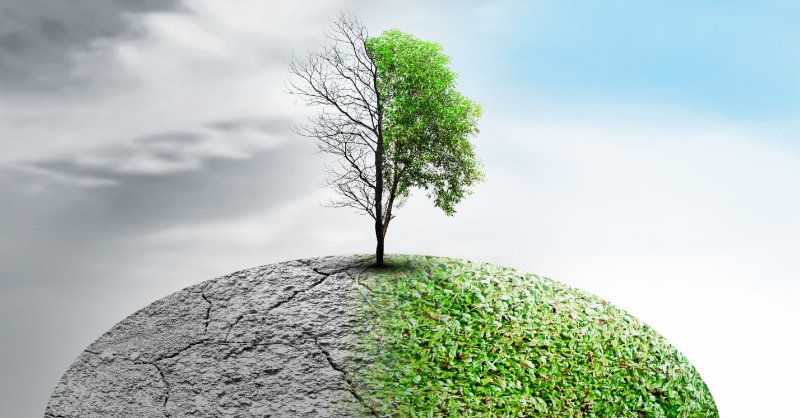
Climate, geography, nutrition, and public health systems have long influenced patterns of human health across different parts of the world. Researchers note that populations living in temperate and tropical regions often face different environmental pressures, each with its own health advantages and challenges.
Temperate regions, which experience cold winters and major seasonal changes, are often linked to higher rates of seasonal illnesses such as influenza, respiratory infections, and cold-related health complications. Medical experts explain that reduced sunlight exposure during winter months may also contribute to lower vitamin D levels, which can affect bone strength, immune response, and overall wellbeing.
In contrast, tropical regions generally experience warmer temperatures and more consistent sunlight throughout the year. These conditions may help maintain stable vitamin D production and reduce some cold-weather health pressures. Traditional diets in many tropical societies, rich in fresh fruits, vegetables, seafood, and natural foods, have also historically supported stronger nutritional intake in certain communities.
Scientists further explain that climate affects body systems such as hydration control, metabolism, and immune response. In colder environments, the body uses more energy to maintain internal temperature, while tropical climates place greater demands on hydration and heat regulation.

However, tropical regions also face serious health risks. Diseases such as malaria, dengue fever, yellow fever, and other mosquito-borne infections remain major public health concerns in many countries. Continuous exposure to certain pathogens may influence how immune systems adapt over time, though experts caution that this does not necessarily mean stronger overall immunity.
Researchers also point to evolutionary and genetic adaptations that developed over centuries in response to local environmental conditions. Certain inherited traits, for example, emerged as protective responses against diseases common in specific regions.
Despite these historical differences, modern healthcare, improved nutrition, vaccination programs, sanitation, and medical technology have significantly reduced many global health gaps. Public health experts stress that access to healthcare, economic stability, education, and living conditions now play a far greater role in determining health outcomes than climate alone.
Analysts also note that social and economic pressures linked to climate conditions, migration, and global inequality can indirectly influence issues such as drug trafficking, illegal markets, and foreign exchange pressures in different parts of the world. However, experts warn against oversimplifying these complex issues or attributing them solely to weather and geography.




