


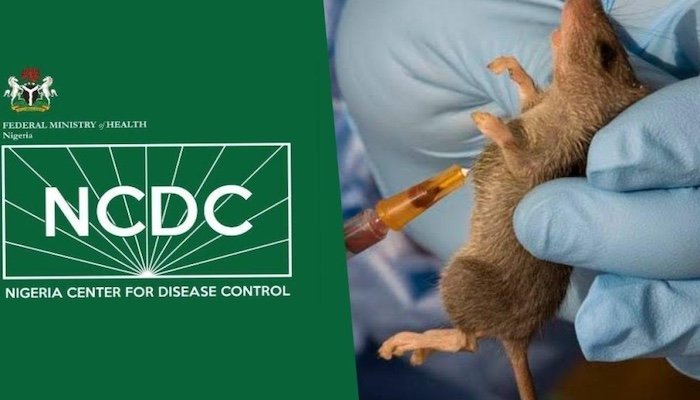
The Nigeria Centre for Disease Control and Prevention has revealed that a large percentage of confirmed Lassa fever infections in Nigeria are concentrated in a few states, with Bauchi, Ondo, Taraba, Benue and Edo accounting for most of the reported cases.
According to the agency, about 84 per cent of confirmed infections were recorded in the five states, making them the country’s major outbreak centres. Young adults between the ages of 21 and 30 were identified as the group most affected by the disease.
The health agency also confirmed that another healthcare worker became infected during the latest reporting period, raising fresh concerns over the continued exposure of frontline medical personnel.

Delayed Treatment Increasing Fatalities
The NCDC attributed the rising death toll linked to the outbreak to late hospital visits by infected patients, which often reduce the chances of successful treatment.
The agency further linked the spread of the disease to poor public awareness in heavily affected communities, inadequate environmental sanitation and the increasing cost of treatment and medical care.
Health officials warned that these challenges continue to delay early diagnosis and prompt medical attention for many patients.
Response Efforts Expanded
To contain the outbreak, the NCDC said it has intensified surveillance activities, healthcare worker protection measures and public sensitisation campaigns across affected states.
The agency disclosed that, with support from the World Health Organization, 62 infection prevention and control officers were trained in Ebonyi and Ondo states to strengthen safety practices in healthcare facilities handling Lassa fever cases.
Emergency response coordination systems have also been activated in Oyo, Benue, Plateau, Kebbi, Kano and Gombe states to improve outbreak management and rapid intervention.
In Ondo and Edo states, awareness campaigns involving traditional rulers, religious leaders, traders and farmers were organised to educate residents on prevention measures and early symptoms of the disease.
The NCDC additionally announced a 30-day healthcare worker safety plan developed in collaboration with the United States Centers for Disease Control and Prevention and WHO to reduce infections among medical personnel.
Other measures introduced include contact tracing, deployment of rapid response teams to high-risk states, distribution of personal protective equipment, laboratory testing support and medical training programmes in affected communities.
The agency stated that treatment of confirmed cases is continuing at designated treatment centres nationwide.
Call for Stronger Prevention Measures
The NCDC urged state governments to strengthen public awareness campaigns throughout the year and encourage communities to adopt preventive measures against Lassa fever.
Healthcare workers were also advised to remain alert for possible symptoms, ensure quick referrals and strictly observe infection prevention guidelines while handling suspected cases.
The agency called on state authorities and development partners to improve preparedness and emergency response systems in order to reduce fatalities and improve early detection.
Understanding Lassa Fever
Lassa fever is a viral disease mainly spread through contact with food, surfaces or household materials contaminated by urine or droppings from infected rats.
The illness can also spread through direct contact with bodily fluids from infected persons.
Common symptoms include fever, weakness, headaches and body pain, while severe cases may lead to bleeding, breathing difficulties, swelling and organ failure.
Medical experts say early diagnosis and prompt treatment with Ribavirin remain critical for improving survival chances among infected patients.




