



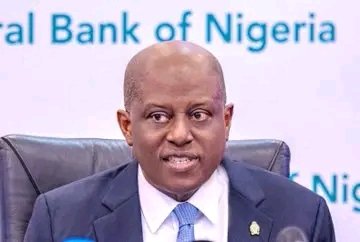
The Central Bank of Nigeria has officially unveiled a revised Foreign Exchange Manual as part of ongoing efforts to improve transparency, increase liquidity, and strengthen confidence in the country’s foreign exchange market.
The newly reviewed framework, which is the fourth edition of the Foreign Exchange Manual, is expected to take effect from June 1, 2026. The launch ceremony took place in Abuja and was led by the Governor of the Central Bank of Nigeria, Olayemi Cardoso, alongside top banking executives, financial regulators, and stakeholders in the Nigerian economy.
According to the apex bank, the revised manual was developed to reflect current economic realities, modern global financial practices, and the changing structure of Nigeria’s foreign exchange market. The CBN explained that the updated framework would help improve operational efficiency, encourage foreign investment, simplify transactions, and provide clearer guidelines for market participants.

Speaking during the unveiling ceremony, Cardoso stated that the foreign exchange market remains one of the most important pillars of Nigeria’s economic system. He noted that a transparent and stable FX market is essential for attracting investment, supporting international trade, promoting industrial growth, and maintaining macroeconomic stability.
The CBN governor explained that the latest review became necessary following major reforms introduced by the bank over the past year. He added that the new manual is designed to align Nigeria’s foreign exchange operations with international standards while improving confidence among investors and financial institutions.
Cardoso disclosed that Nigeria’s foreign exchange market has recorded significant improvements in liquidity since the implementation of recent monetary and exchange rate reforms. According to him, daily market turnover has increased substantially from around 100 million dollars at the beginning of the reform process to between 400 million and 600 million dollars on average in recent months.
He further revealed that market activity exceeded one billion dollars on certain trading days, describing the development as evidence that confidence is gradually returning to the Nigerian financial system.
The CBN governor stressed that the central bank’s objective is to build a market driven foreign exchange system where transparency, price discovery, and investor participation can thrive without excessive intervention from the apex bank.
He also clarified that Nigeria’s foreign reserves should primarily serve as buffers for economic stability rather than tools for defending the currency continuously through heavy market intervention.
Financial experts believe the revised FX manual could help reduce uncertainty within the market, minimise speculative activities, and improve access to foreign exchange for businesses and investors operating in Nigeria.
One of the major highlights of the revised framework is the upward review of allowable advance payment for imports from 15 percent to 30 percent. Analysts say the adjustment is expected to support import dependent businesses by providing greater flexibility for international transactions and trade financing.
The manual also grants foreign companies operating in Nigeria’s extractive sector unrestricted access to their export proceeds. Economic analysts believe this policy could improve foreign direct investment inflows, especially in the oil, gas, and mining industries where concerns over forex accessibility have previously discouraged some investors.
The Deputy Governor for Economic Policy at the CBN, Muhammad Abdullahi, explained that the revised document contains updated operational procedures, simplified documentation requirements, and clearer guidelines for financial institutions and market operators.
According to Abdullahi, the framework also introduces updated provisions for non resident investment accounts, service exports, and Pan African Payment and Settlement System transactions aimed at improving cross border trade across Africa.
He noted that the manual was developed after extensive consultations with commercial banks, exporters, importers, financial experts, development institutions, and private sector stakeholders to ensure that the final document addresses long standing challenges affecting Nigeria’s forex market.
Industry stakeholders have largely welcomed the revised policy framework, describing it as a positive step toward restoring credibility and stability in the country’s financial environment.
The Group Managing Director of United Bank for Africa, Oliver Alawuba, commended the Central Bank for introducing reforms targeted at strengthening market integrity and promoting ethical conduct within the banking sector.
Economic analysts also believe the revised forex manual may support the stability of the naira by encouraging more formal market participation and reducing pressure from speculative trading activities.
The unveiling of the new manual comes amid broader reforms being implemented by the Central Bank under Cardoso’s leadership. These reforms include exchange rate unification, tighter oversight of Bureau De Change operators, improvements in diaspora remittance channels, and the introduction of the Nigerian Foreign Exchange Code.
As Nigeria continues efforts to stabilise its economy and attract international capital, stakeholders are expected to closely monitor the implementation of the revised forex framework and its impact on the nation’s financial markets in the coming months.


