


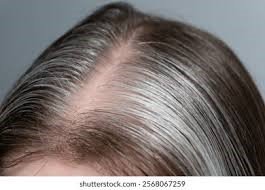
Premature graying is becoming increasingly common among young adults, and health experts say several factors including genetics, stress, lifestyle habits, and certain medical conditions may contribute to the early loss of hair color.
While many people associate gray hair with aging, dermatologists explain that some individuals may begin noticing silver strands as early as their late teens or twenties.
How Hair Turns Gray
Hair color is produced by melanin, a pigment created inside hair follicles. As the body gradually produces less melanin, hair begins losing its natural color, eventually turning gray or white.
For many people, graying naturally starts in their 30s or later. However, experts say the timing varies widely from person to person.

Genetics Plays a Major Role
Medical specialists identify genetics as the strongest predictor of premature graying.
Individuals with parents or close relatives who developed gray hair early are more likely to experience the same pattern. Researchers say inherited genes largely determine when melanin production in hair follicles begins to decline.
Studies indicate that by the age of 50, about half of adults may have significant gray hair growth.
Certain Health Conditions May Contribute
Although premature graying is often harmless, doctors say it can sometimes be linked to underlying health conditions or nutrient deficiencies.
Some factors associated with early graying include:
- Vitamin B12 deficiency
- Thyroid disorders
- Pituitary gland problems
- Low copper levels
Experts advise against self-diagnosis and recommend medical evaluation if early graying is accompanied by other unusual symptoms such as fatigue, weakness, or hair loss.
Chronic Stress May Speed Up Graying
Researchers also believe long-term stress may influence the graying process.
Scientific studies suggest chronic stress can affect stem cells responsible for producing hair pigment. While stress may not instantly turn hair gray, prolonged emotional pressure could accelerate graying in individuals already genetically predisposed to it.
Smoking Linked to Premature Gray Hair
Health experts warn that smoking may also increase the likelihood of early graying.
Research has found smokers are significantly more likely to develop gray hair earlier than non-smokers. Specialists say smoking damages cells throughout the body and may interfere with normal pigment production in hair follicles.
Can Gray Hair Be Reversed?
According to dermatologists, gray hair caused mainly by genetics cannot usually be reversed.
However, if premature graying is related to a treatable medical issue or nutrient deficiency, addressing the underlying condition may help slow further color loss and, in some cases, partially restore pigmentation.
Experts caution consumers against relying on products marketed as permanent cures for gray hair, noting that many lack strong scientific evidence.
Cosmetic Options Remain Popular
For those who prefer to cover gray hair, temporary sprays, hair dyes, and professional coloring treatments remain common options.
At the same time, many people are choosing to embrace natural gray and silver hair, which has grown increasingly popular in fashion and beauty trends in recent years.
Experts Say Early Graying Is Usually Harmless
Medical professionals emphasize that gray hair appearing in the 20s is often not a serious health concern.
In most cases, premature graying reflects a combination of genetics, lifestyle, and natural biological processes rather than a dangerous medical condition.




