


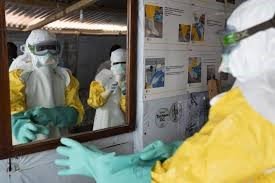
The Ebola outbreak affecting parts of the Democratic Republic of Congo (DRC) and neighboring Uganda has continued to worsen, with health authorities reporting 131 suspected deaths as concerns grow over the rapid spread of the virus across densely populated communities.
Global health officials say the outbreak involves the Bundibugyo strain of Ebola, a rare variant that currently has no approved vaccine or specific treatment.
Outbreak Spread Undetected for Weeks
The outbreak was first identified in northeastern DRC, particularly in Ituri province, but officials later discovered the virus had likely been spreading undetected for several weeks before widespread monitoring began.

Health authorities have now recorded hundreds of suspected infections alongside confirmed cases in both the DRC and Uganda.
The virus has reportedly reached major urban centers, including:
- Butembo
- Goma
- Kampala
Medical workers are also among those infected, increasing fears of further transmission within healthcare facilities.
Experts say large population movements linked to mining activities and ongoing regional conflict may have contributed to the virus spreading before authorities detected the outbreak.
American Citizen Evacuated
An American aid worker serving with a Christian mission organization in Congo reportedly tested positive for Ebola after developing symptoms.
The individual, along with several other Americans considered high-risk contacts, has been evacuated to Germany for treatment and medical monitoring.
In response to the outbreak, the Centers for Disease Control and Prevention has introduced temporary travel-related measures affecting travelers arriving from affected countries.
WHO Declares Global Health Emergency
The World Health Organization has declared the outbreak a public health emergency of international concern as officials race to contain the virus.
WHO Director-General Tedros Adhanom Ghebreyesus expressed concern about the speed of transmission and the growing number of infections in urban areas.
Emergency medical supplies, including protective equipment, have already been delivered to affected regions to support healthcare workers and treatment centers.
Border Restrictions Raise Concerns
Although health authorities have encouraged countries to keep borders open for coordinated monitoring and response efforts, some neighboring countries have tightened border controls.
Public health experts warn that strict border closures may push travelers toward unofficial crossing points, making it harder to monitor and contain infections.
Challenges With the Bundibugyo Strain
Unlike the more common Zaire strain of Ebola, the Bundibugyo strain currently has no fully approved vaccine or established treatment protocol.
Health experts estimate Ebola can have a fatality rate of around 50 percent, depending on the outbreak and access to treatment.
Scientists and international health agencies are now evaluating possible vaccine candidates and experimental treatments as efforts intensify to contain the outbreak.
International Response Under Pressure
Global health organizations continue to mobilize funding, protective equipment, and medical personnel to affected areas.
However, officials warn that financial and logistical challenges could complicate efforts to control the outbreak quickly, particularly in conflict-affected regions with fragile healthcare systems.




