



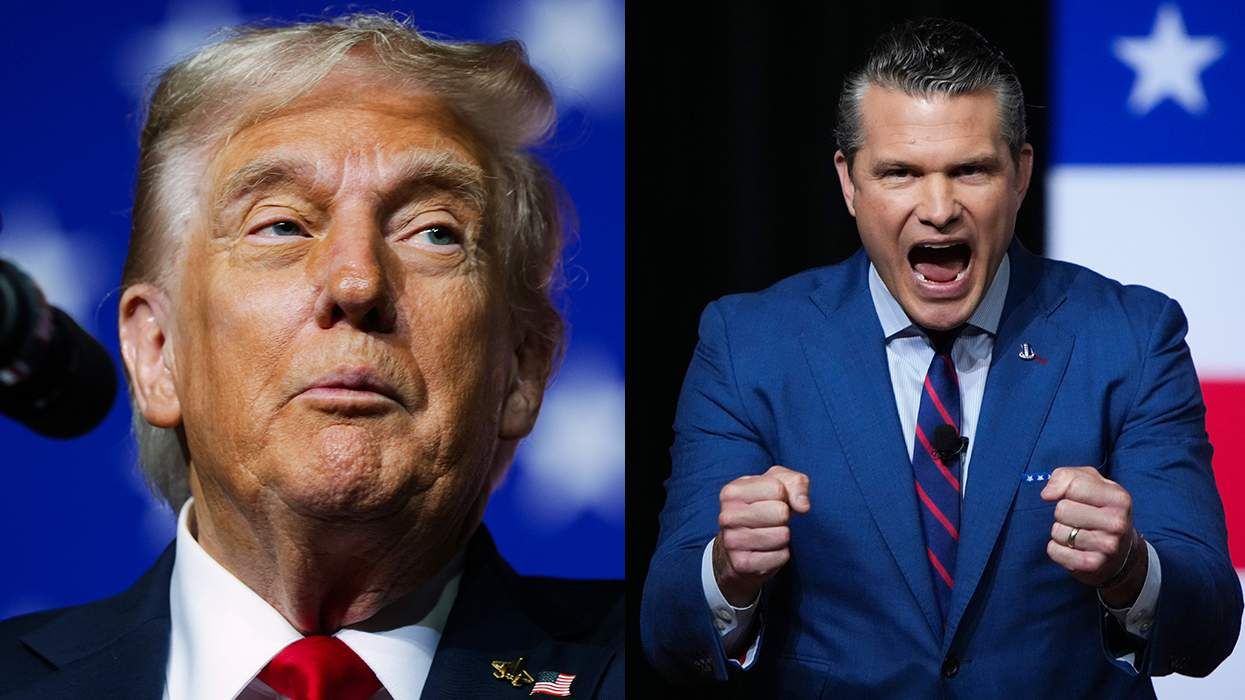
The United States has temporarily paused a planned $14bn weapons sale to Taiwan as Washington shifts military resources toward its ongoing conflict with Iran, according to Acting Navy Secretary Hung Cao.
Speaking during a Senate hearing on Thursday, Cao told lawmakers the administration wants to make sure American forces have enough weapons and supplies available for operations linked to the Iran war before moving ahead with foreign military sales.
“For now, we’re pausing to ensure we have the munitions we need,” Cao said, adding that the weapons package for Taiwan could still proceed later depending on decisions by Defense Secretary Pete Hegseth and Secretary of State Marco Rubio.
The deal, approved by Congress in January, would become the largest arms package ever offered to Taiwan if President Donald Trump gives final approval. It would surpass the previous $11bn package cleared in late 2025.
The delay comes as tensions continue to simmer between Washington and Tehran despite a ceasefire reached in April. Although active fighting has paused, both sides are still negotiating a longer-term agreement.
Taiwan’s government reacted cautiously to the development. Premier Cho Jung-tai said Taipei would continue pursuing arms purchases from the United States, according to local media reports.
The pause has also raised concerns among analysts who fear it could shake confidence in Washington’s commitment to Taiwan’s defence.
William Yang, a senior Northeast Asia analyst at the Crisis Group, warned the move could deepen doubts in Taiwan about US support and make it harder for the Taiwanese government to push for increased defence spending.
Trump has sent mixed signals over the sale in recent days. After discussing the issue with Chinese President Xi Jinping during talks in Beijing last week, the US president said he “may or may not” approve the package.
He also suggested the deal could serve as a bargaining chip in negotiations with China a remark likely to alarm officials in Taipei.
China claims Taiwan as part of its territory and strongly opposes any US military support for the island.
Although Washington does not formally recognise Taiwan as an independent state, it remains legally committed to helping Taipei defend itself under the Taiwan Relations Act.
Trump has further unsettled diplomatic norms by saying he may speak directly with Taiwanese President Lai Ching-te about the arms package. Such contact would mark a major break from decades of US policy designed to avoid provoking Beijing.
The last time Trump directly engaged with a Taiwanese leader was shortly after his 2016 election victory, when he spoke with former President Tsai Ing-wen before taking office.




