



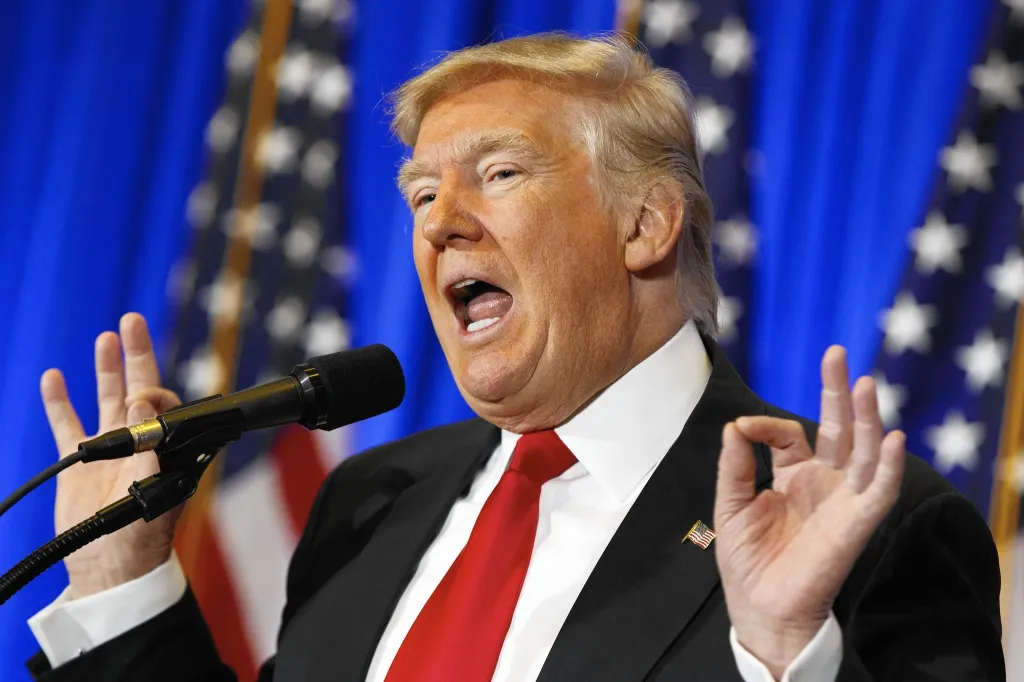
United States President Donald Trump says he has told American negotiators to slow down and avoid rushing into an agreement with Iran, even as both sides signal progress in ongoing talks.
Trump’s latest remarks come just days after he suggested a deal was nearly complete, raising expectations that a breakthrough could happen soon.
In a post on social media, Trump described the discussions as “constructive” but stressed that both countries needed time to “get it right.”
The talks are reportedly centred on a proposed 60-day extension of the current ceasefire, the reopening of the Strait of Hormuz, and further negotiations over Iran’s nuclear programme.

Earlier in the week, Trump had claimed the agreement was “largely negotiated,” fuelling speculation that an official announcement could be close.
Iranian officials have also pointed to progress, though they say major disagreements remain. Foreign Ministry spokesman Esmail Baghaei described the situation as being “very close and very far” from a final deal.
According to US media reports, the proposed arrangement would not fully settle the conflict but instead create room for broader negotiations later. Outstanding issues reportedly include sanctions relief, the release of frozen Iranian assets, and Washington’s demands that Tehran scale back its nuclear activities.
Speaking in Delhi on Monday, US Secretary of State Marco Rubio said there was now a “pretty solid” proposal on the table, including steps toward reopening the Strait of Hormuz and launching what he called serious, time-limited negotiations over Iran’s nuclear programme.
The possible agreement has exposed divisions among Republicans in Washington.
Texas Senator Ted Cruz warned that the plan could be too soft on Tehran, calling it “a disastrous mistake.”
Senate Armed Services Committee chairman Roger Wicker argued that extending the ceasefire would undermine the gains made during “Operation Epic Fury.”
Others within the Republican Party defended the negotiations. Congressman Mike Lawler said the administration had successfully pushed Iran back to the negotiating table for what he described as “a real negotiation.”
The conflict began on February 28 after the US and Israel launched large-scale strikes on Iran.
Tehran responded with attacks on Israel and US allies in the Gulf region, while also tightening control over the Strait of Hormuz a key global shipping route that handles roughly one-fifth of the world’s oil and gas supplies.
The disruption triggered sharp increases in global oil prices and raised fears of a wider economic shock.
Although a ceasefire was reached in early April, the US has maintained a blockade on Iranian ports. Trump said the measures would remain in place until a formal agreement is signed.
The US president also repeated that Iran must never obtain a nuclear weapon. Tehran has consistently denied seeking one, insisting its nuclear programme is for peaceful purposes only.
Reports suggest the deal could eventually require Iran to hand over part of its highly enriched uranium stockpile. Before the war, Iran was believed to possess around 440 kilograms of uranium enriched to 60 percent purity technically just a short step from weapons-grade level.
Iranian President Masoud Pezeshkian said Tehran was prepared to reassure the international community that it was not pursuing nuclear weapons.
Pakistan has also played a key role in the negotiations. Deputy Prime Minister Ishaq Dar, who has helped mediate between Washington and Tehran, said recent talks provided “grounds for optimism” and suggested a positive outcome may be within reach.




