


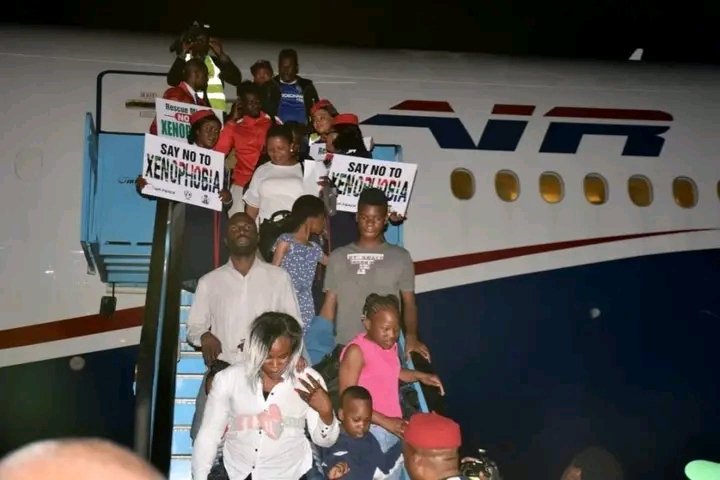
JOHANNESBURG, SOUTH AFRICA — A South African politician has sparked widespread outrage after making derogatory comments describing Nigerians as “horrible” during a farewell or repatriation-related event, amid rising tensions linked to renewed xenophobic incidents in parts of the country.
The remarks, which were reportedly made in the presence of attendees at the event, have drawn strong condemnation from individuals, community groups, and observers who described the statement as inflammatory and capable of worsening already strained relations between Nigerians and some South African communities.
The incident comes at a sensitive time, following reports of xenophobic attacks and unrest targeting foreign nationals and foreign-owned businesses in South Africa, which have led to concern among diplomatic and community stakeholders.
Nigerian community organisations in South Africa have expressed anger over the comments, arguing that such rhetoric undermines efforts to promote unity, peaceful coexistence, and mutual respect among residents of different nationalities.

Human rights advocates also criticised the statement, warning that inflammatory language by public officials could escalate tensions and further endanger foreign nationals living in affected areas.
The Nigerian government has in recent times engaged South African authorities over the safety of its citizens, particularly in response to periodic outbreaks of violence linked to xenophobic sentiments.
Diplomatic observers say such remarks, if left unaddressed, could complicate ongoing efforts to strengthen bilateral relations between both countries, which have historically maintained strong economic and political ties within Africa.
Community leaders have called for restraint and responsible communication from political figures, stressing that public statements should promote peace and integration rather than division or hostility.
They also urged authorities in South Africa to take disciplinary or corrective measures where necessary to discourage hate speech and ensure accountability for public office holders.
Meanwhile, advocacy groups continue to call for stronger protections for foreign nationals and improved public education campaigns aimed at addressing misinformation and economic frustrations often linked to xenophobic violence.
As reactions continue, stakeholders from both countries are urging calm, dialogue, and renewed diplomatic engagement to prevent further deterioration of relations and to ensure the safety and dignity of all affected communities.




