


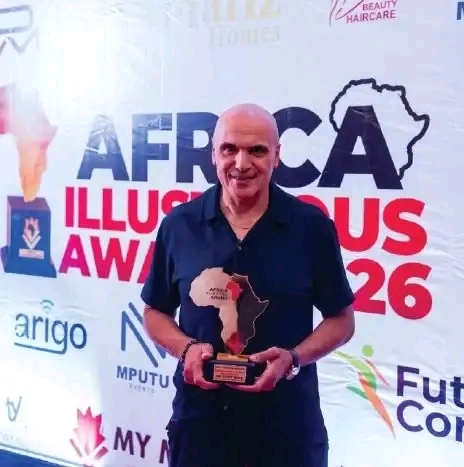
Nigeria’s efforts to strengthen grassroots football have received a major endorsement from former Jersey Football Association Chief Executive Officer Patrick Dixon, who has expressed confidence that the country can become an even greater force in world football if it prioritizes youth development and grassroots structures.
Dixon’s support comes at a crucial time when football stakeholders across Nigeria are calling for increased investment in talent discovery, coaching education, youth competitions and modern sporting facilities. His remarks have reignited conversations about the importance of building football from the grassroots level rather than focusing solely on elite competitions and national teams.
The experienced football administrator believes Nigeria possesses one of the largest pools of football talent in the world. According to him, the challenge is not a lack of gifted players but the need for a sustainable system capable of identifying, nurturing and developing talent from an early age.

Speaking on the future of football development in Africa’s most populous nation, Dixon emphasized that grassroots football remains the foundation upon which successful football nations are built.
He noted that countries currently dominating global football invested heavily in youth development decades before they began enjoying consistent success on the international stage.
For Nigeria, a nation with an unmatched passion for football, his message carries significant weight.
Football is more than just a sport in Nigeria. It is a unifying force that transcends ethnic, religious and regional divides. Across cities, towns and rural communities, young boys and girls dream of becoming professional footballers, often using makeshift pitches and improvised equipment to showcase their skills.
Many of Nigeria’s greatest football legends began their careers in such environments.
Former Super Eagles captain and Olympic gold medal winner Kanu Nwankwo emerged from grassroots football before becoming one of Africa’s most celebrated footballers.
Likewise, Austin Jay Jay Okocha, widely regarded as one of the most skillful players ever produced by the continent, developed his talents on local football grounds before dazzling fans across Europe.
Other notable stars including Sunday Oliseh, Joseph Yobo, John Obi Mikel, Victor Moses, Ahmed Musa and Victor Osimhen all followed similar pathways from local football systems to international stardom.
Their success stories demonstrate the immense potential that exists within Nigerian communities.
Dixon believes that the country can produce even more world-class footballers if the right structures are put in place.
Drawing from his years of experience in football administration, he stressed that grassroots development requires a long-term commitment rather than short-term solutions.
According to football experts, successful grassroots programmes involve organized youth leagues, qualified coaches, proper scouting systems, medical support and access to quality training facilities.
These elements create an environment where young players can develop both technically and mentally.
Nigeria has already shown glimpses of what is possible through various football academies and youth development projects operating across the country.
Several academies have produced players who later secured professional contracts in Europe and other parts of the world.
However, many stakeholders argue that the scale of investment remains insufficient considering Nigeria’s population and football potential.
With more than 200 million people, the country has one of the largest youth populations globally, creating a vast reservoir of untapped sporting talent.
Sports analysts believe a comprehensive grassroots strategy could transform Nigeria into a consistent producer of elite footballers for generations.
Beyond producing professional players, grassroots football also plays a significant role in social development.
Youth football programmes help promote discipline, teamwork, leadership and healthy lifestyles among young people.
They also provide opportunities for education and personal development while helping to reduce social challenges such as youth unemployment, crime and drug abuse.
For many children, football serves as a pathway to hope and opportunity.
This broader impact is one reason why sports development experts continue to advocate increased funding for grassroots initiatives.
Dixon’s endorsement aligns with the views of many international football development specialists who believe that sustainable success begins at the grassroots level.
Countries such as Spain, Germany, France and England have all benefited from structured youth systems that identify talent early and provide clear development pathways.
The success of these nations demonstrates the value of investing in football foundations rather than relying solely on elite-level programmes.
Nigeria’s football authorities have also increasingly recognized the importance of grassroots development.
In recent years, efforts have been made to organize youth tournaments, support football academies and create more opportunities for emerging talents.
Several state governments and private organizations have also launched initiatives aimed at encouraging participation in youth football.
Despite these efforts, experts insist that much more can be done.
Infrastructure remains one of the biggest challenges facing grassroots football in many parts of the country.
Numerous communities still lack standard playing fields, training equipment and qualified coaches.
Addressing these gaps could significantly improve the quality of player development nationwide.
Football stakeholders also believe stronger collaboration between schools, academies, clubs and football governing bodies is essential for creating an effective talent pipeline.
Such partnerships would ensure promising players receive the support needed to progress through different stages of development.
For Nigerian football fans, Dixon’s support serves as a reminder that the nation’s future success depends largely on investments made today.
The Super Eagles have long been one of Africa’s most recognizable football brands, but maintaining that status requires continuous talent production and development.
As global football becomes increasingly competitive, countries that neglect grassroots systems risk falling behind.
Nigeria’s rich football history, passionate fan base and abundance of natural talent provide a strong foundation for future success.
With proper planning, strategic investment and sustained commitment to youth development, the country could become one of the world’s leading football talent hubs.
Patrick Dixon’s endorsement highlights a simple but powerful truth. The next generation of Nigerian football stars is already out there, playing on community pitches, school grounds and local fields across the nation.
The challenge now is creating the structures that will help them realize their potential and carry Nigerian football to even greater heights in the years ahead.




