


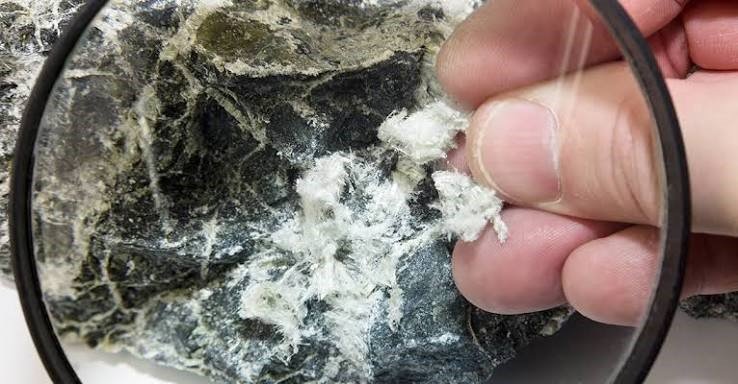
Asbestos, once widely used in construction and manufacturing, has long been linked to serious health conditions, including lung cancer and mesothelioma. Although its use has declined significantly in many countries, exposure remains a concern in older buildings and certain industries where asbestos-containing materials are still present.
What Is Asbestos?
Asbestos refers to a group of naturally occurring minerals made up of microscopic fibers. Due to its durability and resistance to heat, fire, and chemicals, it was commonly used for insulation, roofing materials, vehicle components, textiles, and industrial equipment.
There are two primary categories of asbestos. Amphibole asbestos contains straight, needle-like fibers, while chrysotile asbestos features curly fibers and has historically been the most widely used form in industrial applications.
Although the health risks of asbestos are now well established, many older structures still contain materials made with the substance.

How Asbestos Affects the Lungs
When asbestos fibers become airborne and are inhaled, they can travel deep into the respiratory system. Some fibers become trapped in the airways and lung tissue, while others may lodge in the lining surrounding the lungs, known as the pleura.
Over time, these fibers can trigger chronic inflammation, tissue damage, and cellular changes that increase the risk of cancer. Because asbestos-related diseases often develop slowly, symptoms may not appear until decades after the initial exposure.
Asbestos and Lung Cancer
Research has consistently shown that prolonged exposure to asbestos increases the likelihood of developing lung cancer. The risk generally rises with the intensity and duration of exposure.
Lung cancer develops when abnormal cells in the lungs grow uncontrollably, forming tumors that can interfere with breathing and spread to other parts of the body.
In many cases, asbestos-related lung cancer is diagnosed 15 years or more after a person’s first exposure. Individuals who smoke and are also exposed to asbestos face an even greater risk, as the combined effects significantly increase the likelihood of developing the disease.
The Strong Link to Mesothelioma
Mesothelioma is a rare but aggressive cancer that is closely associated with asbestos exposure. The disease affects the mesothelium, a protective membrane that covers many internal organs.
Most cases occur in the pleura surrounding the lungs, though mesothelioma can also develop in the lining of the abdomen, heart, or, in rare instances, the testes.
Unlike lung cancer, mesothelioma is not linked to smoking. Experts consider asbestos exposure to be the primary cause of the disease.
How Exposure Occurs
Low levels of asbestos can be found naturally in the environment, but significant health risks typically arise from occupational or prolonged exposure.
Workers in construction, shipbuilding, manufacturing, demolition, and renovation projects involving older buildings are among those at highest risk.
Activities such as drilling, cutting, sanding, or demolishing asbestos-containing materials can release microscopic fibers into the air. Once inhaled, these fibers may remain in the lungs for years.
Long-term exposure can also lead to other asbestos-related conditions, including:
- Asbestosis, a chronic lung disease caused by scarring of lung tissue
- Pleural plaques, areas of thickened tissue on the lung lining
- Pleural effusion, a buildup of fluid around the lungs
Reducing the Risk of Exposure
Homeowners living in older properties should consider professional inspections if asbestos-containing materials are suspected. Trained specialists can assess potential hazards and determine whether removal or containment is necessary.
Workers who may encounter asbestos should follow workplace safety guidelines, use approved protective equipment, and receive proper training on handling hazardous materials.
What to Do After Exposure
Brief or limited exposure does not necessarily lead to illness. However, individuals with repeated or long-term exposure should discuss their history with a healthcare provider.
Doctors may recommend periodic monitoring through imaging scans and lung function tests to identify potential complications at an early stage.
People who smoke are strongly encouraged to quit, as smoking further increases the risk of asbestos-related lung cancer.
Warning Signs to Watch For
Asbestos-related diseases often take years to develop, making early detection challenging. Symptoms may include:
- Persistent cough
- Shortness of breath
- Wheezing
- Ongoing fatigue
- Chest or shoulder pain
- Unexplained weight loss
- Enlarged or clubbed fingertips
Not everyone with asbestos-related conditions experiences symptoms in the early stages.
When to Seek Medical Advice
Anyone with a history of significant asbestos exposure who develops respiratory symptoms should consult a healthcare professional. Even without symptoms, individuals who believe they were exposed to high levels of asbestos may benefit from medical evaluation and long-term monitoring.
Conclusion
Asbestos exposure remains a significant public health concern due to its established links to lung cancer, mesothelioma, and other respiratory diseases. While modern safety regulations have reduced exposure risks, older buildings and certain occupations continue to pose hazards. Awareness, preventive measures, and regular medical checkups are essential for protecting long-term health and identifying asbestos-related illnesses as early as possible.




