


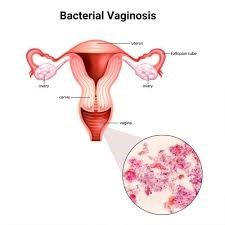
Bacterial vaginosis (BV) is a common vaginal condition caused by an imbalance between beneficial and harmful bacteria in the vagina. When this balance is disrupted, harmful bacteria multiply, leading to symptoms such as unusual discharge, irritation, and a strong odor.
While BV may sometimes clear on its own, untreated cases can lead to discomfort and increase the risk of complications. Medical evaluation is recommended to ensure proper diagnosis and treatment.
Symptoms of Bacterial Vaginosis
Many people with BV do not experience symptoms. When symptoms do occur, they may include:
- Thin, watery vaginal discharge
- Gray or white discharge
- Strong, fishy-smelling odor
- Itching or irritation around the vagina
- Burning sensation during urination
Some individuals may also notice mild discomfort or soreness in the genital area.

Causes of BV
BV develops when there is an imbalance in the natural vaginal bacteria. Normally, “good” bacteria called Lactobacilli help maintain a healthy, slightly acidic environment that prevents harmful bacteria from growing.
When this balance is disrupted, harmful bacteria can overgrow. Factors that may contribute include:
- Having a new sexual partner or multiple partners
- Douching or using internal vaginal cleansers
- Using scented soaps, bubble baths, or feminine sprays
- Recent use of antibiotics
- Smoking
- Not using barrier protection during sex
BV is not classified as a sexually transmitted infection, but sexual activity can influence bacterial balance.
Possible Complications
If left untreated, BV may increase the risk of health problems such as:
- Sexually transmitted infections (STIs) like chlamydia, gonorrhea, HIV, and HPV
- Pelvic inflammatory disease
- Post-surgical infections
- Pregnancy complications, including preterm birth or miscarriage
- Fertility issues in some cases
Because of these risks, early diagnosis and treatment are important.
Home Remedies and Supportive Care
Some studies suggest that probiotics may help restore healthy vaginal bacteria. Probiotics containing Lactobacillus strains may support treatment or help reduce recurrence.
However, evidence is still developing, and probiotics should not replace medical treatment. Anyone experiencing symptoms should consult a healthcare professional before relying on home remedies.
Medical Treatment
BV is most commonly treated with antibiotics prescribed by a doctor. These are highly effective, although recurrence is possible.
Common antibiotics include:
Metronidazole
- Taken orally or used as a vaginal gel
- Usually prescribed for 5–7 days
- Alcohol should be avoided during treatment
Clindamycin
- Available as cream, tablets, or ovules
- Used when metronidazole is unsuitable or ineffective
- May reduce the effectiveness of latex contraceptives during use
Tinidazole
- Oral medication taken for short treatment courses
- Also requires avoidance of alcohol
In cases of recurrent BV, longer or repeated treatment courses may be recommended.
BV vs. Yeast Infection
BV is often confused with a yeast infection, but they are different conditions.
Bacterial vaginosis:
- Thin, gray or white discharge
- Strong fishy odor
- Caused by bacteria imbalance
Yeast infection:
- Thick, white discharge (often like cottage cheese)
- Intense itching and soreness
- Caused by fungal overgrowth
Because treatments differ, proper diagnosis is essential.
Diagnosis
A healthcare provider can diagnose BV by:
- Reviewing symptoms and medical history
- Examining vaginal discharge
- Testing vaginal pH levels
- Laboratory testing of a vaginal swab
Prevention Tips
While BV cannot always be prevented, the following may reduce the risk:
- Avoid douching and scented vaginal products
- Use condoms during sexual activity
- Maintain good genital hygiene with mild, unscented soap
- Avoid strong detergents for underwear
- Consider probiotic intake under medical guidance
- Limit multiple sexual partners
Frequently Asked Questions
Can BV go away without treatment?
Yes, but it may persist or lead to complications if untreated.
Is BV contagious?
No, but sexual activity can influence bacterial balance.
Can BV be tested at home?
Yes, some home kits check vaginal pH, but medical confirmation is recommended.
What causes BV?
It is caused by an imbalance in vaginal bacteria, often linked to hygiene practices, antibiotics, or sexual activity.
Summary
Bacterial vaginosis is a common vaginal condition caused by an imbalance of bacteria. It often leads to unusual discharge, odor, and irritation, though some people may have no symptoms.
While BV is not usually dangerous on its own, untreated cases can increase the risk of infections and pregnancy complications. With proper diagnosis and antibiotic treatment, most cases are easily managed, though recurrence can occur.




