


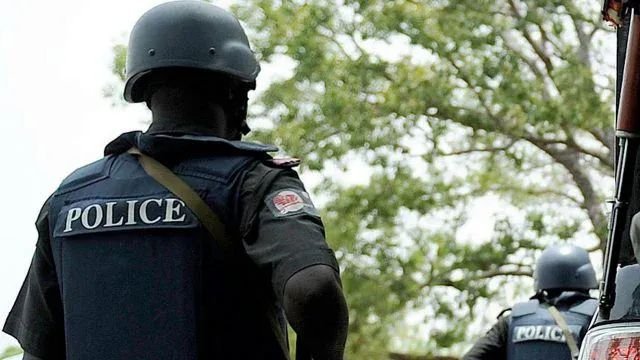
LOKOJA, Nigeria — The Coordinating Deputy Inspector-General of Police in charge of the North Central geopolitical zone, DIG Ishyaku Mohammed, has called on citizens to make proper use of established emergency lines and communication channels to report crimes and criminal activities, stressing that security is a collective responsibility.
Mohammed made the call on Monday in Lokoja during a stakeholders’ engagement at the Kogi State Police Command. The meeting brought together a cross-section of stakeholders, including traditional rulers, the Chairman and members of the Police Community Relations Committee, representatives of the National Association of Nigerian Students, representatives of the Nigerian Bar Association, youth groups, civil society organisations, and non-governmental organisations.
“Security is everybody’s business. The Police alone cannot secure our communities without the active support and participation of the people,” Mohammed said. “This state belongs to all of us. We cannot and will not surrender it to criminals, kidnappers, armed robbers, cultists, drug traffickers, terrorists, or any other elements that threaten our peace and security. But we cannot achieve this objective alone. We need your support.”
The DIG emphasised that there is no better security strategy than one that involves the people and communities it is designed to protect. “Every family, every village, every ward, every community and every institution has a role to play,” he said. He noted that traditional rulers must remain vigilant, religious leaders should continue to preach peace and good values, parents must pay greater attention to their children, youth groups must become partners in peacebuilding and crime prevention, and community leaders must remain the police’s eyes and ears.

Mohammed also stressed the importance of information sharing in preventing crime. “Together, we must identify security threats before they escalate into major crises. Prevention is always better than reaction,” he stated. He urged citizens to “promptly report suspicious movements and activities. Report strange faces and unusual gatherings. Expose criminal hideouts. Report illegal possession, movement and sale of firearms. Report drug trafficking and drug abuse. Report kidnapping threats and all forms of criminal activities.”
The DIG further appealed to communities to reject criminals and their support networks, warning that crime destroys the communities that harbour it. “Do not shield them because they are your relatives, your friends or your neighbours. Anyone who protects criminals becomes an enabler of criminality. Communities must collectively reject criminals and deny them safe havens,” he said.
The Nigeria Police Force has provided emergency lines and communication channels for citizens to report crimes and emergencies. Nigerians can reach the Police Complaint Response Unit via 09133333785, 09133333786, 08057000001, or WhatsApp at 08057000003, and report misconduct through the official handle @PoliceNG_CRU. Additionally, 112 has been adopted as Nigeria’s unified national emergency number to strengthen rapid response systems across all relevant agencies and tiers of government.
The DIG, who was in Kogi State on behalf of the Inspector-General of Police, IGP Rilwan Olatunji Disu, reaffirmed the Force’s commitment to tackling crime, strengthening public confidence, and promoting a safer society through stakeholder engagement, intelligence-led policing, and community partnership.




