


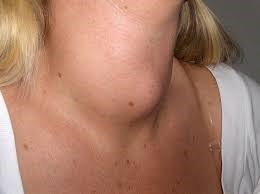
Neck swelling is often associated with infections, injuries, or swollen lymph nodes, but allergies can also be a significant cause. In some cases, allergic reactions may trigger inflammation in the neck, ranging from mild discomfort to serious symptoms that require urgent medical attention.
Understanding the potential causes can help individuals recognize warning signs and seek treatment when necessary.
Why Allergies Can Cause Neck Swelling
When the immune system reacts to a substance it mistakenly identifies as harmful, it releases chemicals such as histamine. These chemicals trigger inflammation, which may lead to swelling, redness, pain, and tenderness in different parts of the body, including the neck.
Depending on the trigger and the severity of the reaction, symptoms may appear within minutes or develop gradually over several hours.

1. Food Allergies
Food allergies are among the most common causes of allergic swelling involving the neck and throat. Foods such as peanuts, tree nuts, shellfish, eggs, milk, and fish can trigger an immune response in sensitive individuals.
Symptoms often begin with itching or tingling in the mouth, followed by throat irritation, difficulty swallowing, and swelling around the neck. In severe cases, the reaction can affect breathing and become life-threatening.
2. Insect Stings and Bites
Bee stings, wasp stings, hornet stings, and other insect bites can cause significant swelling, especially when they occur near the head or neck.
For individuals with venom allergies, swelling may spread beyond the sting site and involve the face, throat, and neck. Severe reactions can develop rapidly and may interfere with normal breathing, making immediate medical attention essential.
3. Medication Allergies
Certain medications can trigger allergic reactions that include swelling in the neck region. Common triggers include antibiotics, pain relievers, and some blood pressure medications.
Alongside swelling, affected individuals may develop hives, skin rashes, itching, or facial puffiness. Symptoms can occur shortly after taking a medication or after repeated exposure over time.
4. Contact Allergies
Allergic reactions can also occur when the skin comes into contact with irritating substances. Common triggers include perfumes, cosmetics, hair products, metals such as nickel, and certain fabrics or dyes.
These reactions often cause redness, itching, and localized swelling around the neck where the allergen touched the skin. Symptoms typically develop more slowly than food or medication allergies and may worsen with continued exposure.
5. Angioedema
Angioedema is a deeper form of tissue swelling that can affect the neck, face, lips, tongue, and throat. It may be triggered by foods, medications, insect stings, or other allergens.
The condition can develop suddenly and cause noticeable swelling, discomfort, and a feeling of tightness in the affected area. Because angioedema can obstruct the airway, it is considered a medical emergency when breathing or swallowing becomes difficult.
When to Seek Emergency Care
While mild allergic reactions may resolve with treatment, sudden neck swelling should never be ignored. Immediate medical attention is needed if swelling is accompanied by:
- Difficulty breathing
- Trouble swallowing
- Chest tightness
- Wheezing
- Dizziness or fainting
- Rapid heartbeat
- Widespread hives
Protecting Yourself
Identifying and avoiding known allergens remains the most effective way to prevent allergic reactions. Individuals with a history of severe allergies should discuss emergency treatment options with their healthcare provider and carry prescribed medications, such as an epinephrine auto-injector, when recommended.
Early recognition and prompt treatment can help prevent complications and improve outcomes when allergic reactions affect the neck and airway.




