


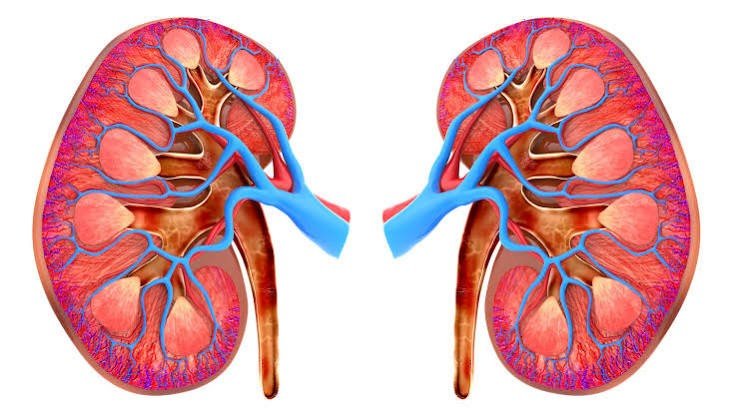
The kidneys are responsible for filtering waste, balancing fluids, regulating blood pressure, and producing hormones that support healthy red blood cells and bones. Despite their vital role, kidney disease often develops gradually without obvious symptoms.
Health experts say certain daily habits can increase the risk of kidney damage over time. Identifying and changing these behaviours may help protect kidney function and reduce the likelihood of long-term complications.
1. Not Drinking Enough Water
Water helps the kidneys remove waste products from the body through urine. Consistently drinking too little water can increase the risk of dehydration, kidney stones, and urinary tract infections, all of which may place extra strain on the kidneys.
Fluid needs vary depending on age, activity level, climate, and overall health, but staying adequately hydrated is essential for normal kidney function.

2. Eating Too Much Salt
A diet high in sodium can contribute to high blood pressure, one of the leading causes of kidney disease. Processed foods, fast foods, canned products, and packaged snacks often contain more salt than people realise.
Reducing salt intake and choosing fresh, minimally processed foods can help protect both the kidneys and the heart.
3. Overusing Painkillers
Regular or excessive use of certain over-the-counter pain relievers, especially nonsteroidal anti-inflammatory drugs (NSAIDs), may reduce blood flow to the kidneys and increase the risk of kidney damage, particularly in people with existing kidney disease or dehydration.
Medications should always be used according to medical advice or the instructions on the label.
4. Ignoring High Blood Pressure and Diabetes
Uncontrolled high blood pressure and diabetes are the two most common causes of chronic kidney disease. Failing to monitor and manage these conditions can gradually damage the kidneys over time.
Routine health checks and following prescribed treatment plans are essential for reducing this risk.
5. Smoking
Smoking reduces blood flow to the kidneys and damages blood vessels throughout the body. It can also worsen existing kidney disease and increase the risk of kidney failure.
Quitting smoking provides significant health benefits, including improved kidney and cardiovascular health.
Early Warning Signs of Kidney Problems
Kidney disease often develops silently, but some symptoms may appear as the condition progresses. These include:
- Swelling of the feet, ankles, or hands
- Persistent fatigue
- Changes in urination
- Blood in the urine
- Foamy urine
- Difficulty concentrating
- Loss of appetite
Anyone experiencing these symptoms should seek medical evaluation promptly.
Protecting Your Kidneys
Maintaining a healthy lifestyle is one of the most effective ways to support kidney health. Experts recommend eating a balanced diet, staying physically active, drinking enough water, maintaining a healthy weight, avoiding tobacco, limiting alcohol intake, and attending regular medical check-ups.
People with diabetes, high blood pressure, or a family history of kidney disease should have their kidney function monitored as advised by a healthcare professional.
Disclaimer: This article is for informational purposes only and should not replace professional medical advice. Anyone with concerns about kidney health should consult a qualified healthcare provider for proper diagnosis and treatment.




