


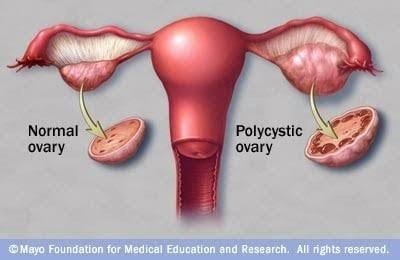
Polycystic ovary syndrome (PCOS) is one of the most common hormonal disorders affecting women of reproductive age. It can influence menstrual cycles, fertility, hormone levels, and overall health. While there is no cure for PCOS, early diagnosis and proper treatment can help manage symptoms and reduce the risk of long-term health complications.
Health experts estimate that many women with PCOS remain undiagnosed because its symptoms can vary widely and may be mistaken for other conditions.
What Is PCOS?
PCOS is a hormonal condition in which the ovaries produce higher-than-normal levels of androgens, often called “male hormones,” although women naturally produce them in smaller amounts.
This hormonal imbalance can interfere with ovulation, causing irregular or absent menstrual periods and making pregnancy more difficult for some women.

Not all women with PCOS have ovarian cysts, despite the condition’s name.
Common Symptoms of PCOS
Symptoms vary from person to person but commonly include:
- Irregular or missed menstrual periods.
- Difficulty becoming pregnant due to irregular ovulation.
- Excess facial or body hair (hirsutism).
- Acne or oily skin.
- Thinning hair or hair loss on the scalp.
- Weight gain or difficulty losing weight.
- Darkened patches of skin, especially around the neck, underarms, or groin.
- Skin tags in some women.
Some women experience only a few symptoms, while others have several.
What Causes PCOS?
The exact cause of PCOS is unknown, but experts believe several factors play a role, including:
- Genetics, as PCOS often runs in families.
- Insulin resistance, which causes the body to produce more insulin than normal.
- Increased androgen production by the ovaries.
- Chronic low-grade inflammation, which may contribute to hormonal changes.
Researchers continue to study how these factors interact.
Possible Health Complications
If left untreated, PCOS may increase the risk of:
- Infertility.
- Type 2 diabetes.
- High blood pressure.
- High cholesterol.
- Sleep apnoea.
- Endometrial (uterine) cancer due to prolonged irregular menstrual cycles.
- Anxiety and depression.
Regular medical care can help reduce these risks.
How Is PCOS Diagnosed?
A healthcare professional may diagnose PCOS based on:
- Medical history.
- Menstrual history.
- Physical examination.
- Blood tests to measure hormone levels.
- Pelvic ultrasound to examine the ovaries and uterus.
No single test confirms PCOS, so diagnosis usually involves evaluating several findings together.
Treatment Options
Treatment depends on a woman’s symptoms, health goals, and whether she wishes to become pregnant.
Management may include:
Lifestyle Changes
Healthy habits are often the first step in managing PCOS.
These include:
- Eating a balanced diet.
- Exercising regularly.
- Maintaining a healthy weight.
- Managing stress.
Even modest weight loss can improve symptoms for some women who are overweight.
Medications
Healthcare providers may prescribe medications to:
- Regulate menstrual cycles.
- Improve ovulation for women trying to conceive.
- Treat acne or excessive hair growth.
- Help manage insulin resistance in selected cases.
Treatment should always be tailored to the individual’s needs.
Can Women With PCOS Get Pregnant?
Yes. Many women with PCOS are able to conceive naturally or with medical treatment.
Women who are planning a pregnancy should discuss their options with a healthcare professional, as treatments are available to improve ovulation and fertility.
When Should You See a Doctor?
Seek medical advice if you experience:
- Irregular or absent periods.
- Difficulty becoming pregnant.
- Excess facial or body hair.
- Persistent acne that does not respond to treatment.
- Rapid weight gain or other symptoms suggestive of hormonal imbalance.
Early diagnosis allows symptoms to be managed more effectively and helps reduce the risk of long-term complications.
The Bottom Line
Polycystic ovary syndrome is a common hormonal disorder that affects many aspects of a woman’s health, including menstruation, fertility, and metabolism. Although there is no cure, healthy lifestyle habits, regular medical care, and appropriate treatment can help women manage symptoms and live healthy lives.
Disclaimer: This article is for informational purposes only and should not replace professional medical advice. Women who suspect they may have PCOS should consult a qualified healthcare professional for diagnosis, treatment, and personalised guidance.




