


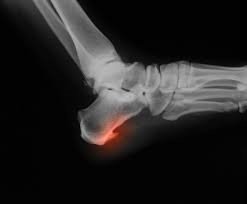
Bone spurs, also known as osteophytes, are smooth, bony growths that develop along the edges of bones. They most commonly form in joints, especially where bones meet, and are often linked to ageing or joint damage.
Although many bone spurs cause no symptoms, larger ones can lead to pain, stiffness, and reduced movement when they press against nearby nerves or tissues.
What Are Bone Spurs?
Bone spurs are extra pieces of bone that develop as the body tries to repair damage caused by wear and tear, inflammation, or joint disease.
They can occur in many parts of the body, including the:

- Knees.
- Hips.
- Spine.
- Shoulders.
- Hands.
- Feet, particularly the heel.
Many people have bone spurs without knowing it.
What Causes Bone Spurs?
Bone spurs usually develop over time due to conditions that damage or stress the joints.
Common causes include:
- Osteoarthritis.
- Age-related wear and tear.
- Repetitive joint movements.
- Previous joint injuries.
- Chronic inflammation.
- Poor posture affecting the spine.
- Plantar fasciitis, which may contribute to heel bone spurs.
Common Symptoms
Many bone spurs do not cause symptoms and are discovered during X-rays performed for other reasons.
When symptoms occur, they may include:
- Joint pain.
- Stiffness.
- Swelling.
- Reduced range of motion.
- A sensation of catching or locking in the joint.
- Numbness or weakness if a bone spur presses on a nerve.
- Pain when walking, especially with heel spurs.
Symptoms depend on the location of the bone spur.
Who Is at Risk?
The risk of developing bone spurs increases with:
- Older age.
- Osteoarthritis.
- Obesity.
- Repetitive physical activities.
- Previous joint injuries.
- Certain occupations or sports that place repeated stress on joints.
How Are Bone Spurs Diagnosed?
A healthcare provider may recommend:
- A physical examination.
- X-rays to identify bone spurs.
- MRI or CT scan if nerve compression is suspected.
These tests help determine the size and location of the bone spur.
Treatment Options
Treatment depends on the severity of symptoms.
Lifestyle Changes
Health experts often recommend:
- Resting the affected joint during painful flare-ups.
- Maintaining a healthy body weight.
- Wearing supportive footwear for heel spurs.
- Avoiding activities that worsen symptoms.
Medications
Pain and inflammation may be managed with:
- Pain-relieving medications.
- Anti-inflammatory medicines.
These should be used according to medical advice.
Physical Therapy
Stretching and strengthening exercises can improve flexibility, reduce pain, and support joint function.
Surgery
If a bone spur causes severe pain, nerve compression, or significantly limits movement, surgery may be recommended to remove it.
Can Bone Spurs Be Prevented?
While ageing cannot be prevented, you can reduce your risk by:
- Staying physically active.
- Maintaining a healthy weight.
- Protecting joints from injury.
- Treating arthritis early.
- Practising good posture.
These habits help reduce unnecessary stress on the joints.
When Should You See a Doctor?
Seek medical advice if you experience:
- Persistent joint pain.
- Difficulty moving a joint.
- Numbness or weakness.
- Heel pain that does not improve.
- Joint pain that interferes with daily activities.
Early treatment can help prevent worsening symptoms.
The Bottom Line
Bone spurs are common bony growths that often develop as a result of ageing, osteoarthritis, or repeated stress on the joints. While many do not cause symptoms, others can lead to pain, stiffness, and reduced movement. Healthy lifestyle habits, early treatment of joint problems, and appropriate medical care can help manage symptoms and maintain mobility.
Disclaimer: This article is for informational purposes only and should not replace professional medical advice. Anyone experiencing persistent joint pain or suspected bone spurs should consult a qualified healthcare professional for proper diagnosis and treatment




