


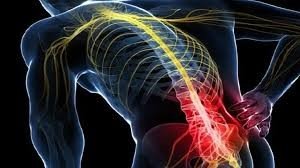
Sciatica is a condition that causes pain along the path of the sciatic nerve, the longest nerve in the body. The pain usually starts in the lower back and travels through the buttock and down one leg.
While mild cases often improve with time and self-care, severe or persistent symptoms may require medical treatment.
What Is Sciatica?
The sciatic nerve begins in the lower spine and extends through the hips, buttocks, and down each leg to the feet.
Sciatica occurs when this nerve becomes irritated, inflamed, or compressed, leading to pain and other symptoms along its path.

Usually, only one side of the body is affected.
What Causes Sciatica?
Several conditions can put pressure on the sciatic nerve, including:
- A herniated (slipped) disc.
- Bone spurs in the spine.
- Spinal stenosis (narrowing of the spinal canal).
- Degenerative disc disease.
- Spinal injuries.
- Rarely, a tumour or infection affecting the spine.
Pregnancy may also cause temporary sciatica in some women due to increased pressure on the sciatic nerve.
Common Symptoms
Symptoms vary from person to person but may include:
- Pain that starts in the lower back or buttock and travels down one leg.
- Burning or sharp pain.
- Tingling or “pins and needles” sensation.
- Numbness in the leg or foot.
- Muscle weakness in the affected leg.
- Pain that worsens when sitting for long periods, coughing, or sneezing.
The pain can range from mild discomfort to severe, disabling pain.
Who Is Most at Risk?
Risk factors include:
- Ageing.
- Jobs that involve heavy lifting or prolonged sitting.
- Obesity.
- Diabetes, which can damage nerves.
- Poor posture.
- Lack of regular physical activity.
How Is Sciatica Diagnosed?
A healthcare provider may recommend:
- A physical examination.
- Tests to assess muscle strength and reflexes.
- X-rays.
- MRI or CT scan if a herniated disc or nerve compression is suspected.
Imaging tests are usually reserved for persistent or severe cases.
Treatment Options
Most people recover without surgery.
Treatment may include:
- Gentle movement and avoiding prolonged bed rest.
- Pain-relieving or anti-inflammatory medications.
- Physical therapy.
- Stretching and strengthening exercises.
- Heat or cold therapy.
If symptoms are severe or do not improve after several weeks, steroid injections or surgery may be considered.
Can Sciatica Be Prevented?
You can lower your risk by:
- Maintaining good posture.
- Exercising regularly to strengthen the back and abdominal muscles.
- Lifting heavy objects correctly.
- Maintaining a healthy weight.
- Avoiding sitting for long periods without breaks.
When Should You See a Doctor?
Seek medical attention if you experience:
- Severe pain that does not improve.
- Weakness in the leg or foot.
- Loss of bladder or bowel control.
- Numbness around the groin or buttocks.
- Pain following a serious injury.
These symptoms may indicate a medical emergency and require immediate evaluation.
The Bottom Line
Sciatica is a common condition caused by irritation or compression of the sciatic nerve. It typically causes pain that travels from the lower back down one leg and may be accompanied by numbness or weakness. Most cases improve with conservative treatment, but persistent or severe symptoms should be assessed by a healthcare professional.
Disclaimer: This article is for informational purposes only and should not replace professional medical advice. Anyone experiencing severe or persistent symptoms of sciatica should consult a qualified healthcare professional for proper diagnosis and treatment




