


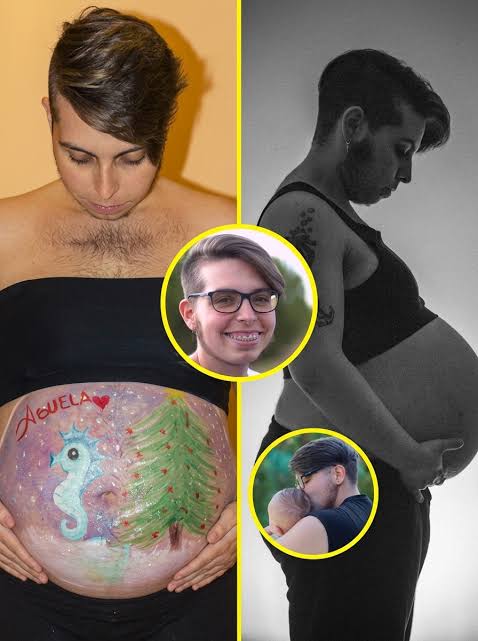
In May 2021, a photograph of a newborn baby’s tiny hand wrapped around a finger captured attention far beyond the family welcoming the child. The picture was shared by Rubén Castro, a 27-year-old transgender man from Madrid, Spain, who had just fulfilled his long-held dream of giving birth to a child.
“Luar has arrived,” Castro announced on social media on May 1, 2021, introducing the baby to his followers after documenting much of his pregnancy online under the name “Papá gestante,” which translates to “gestational dad.”
Alongside the photograph, Castro apologised for his silence and for not responding to messages while concentrating on welcoming his newborn. He described the experience as the most difficult and most desired of his life, adding that the adventure was only beginning.

Behind the emotional announcement was a journey marked by difficult decisions, repeated attempts to conceive and obstacles within the healthcare system. Castro had wanted to become a parent for years, and his decision to carry his own pregnancy influenced the choices he made during his gender transition.
Before beginning hormone treatment, he froze his eggs to preserve his fertility. He also decided against undergoing a mastectomy because he wanted the opportunity to experience breastfeeding after his baby arrived.
His path to parenthood was not straightforward. Castro underwent artificial insemination after several attempts before eventually becoming pregnant. He also revealed that his case required consideration by a medical ethics committee, adding another layer of complexity to an already demanding process.
Although he had changed his legal documents to reflect his identity, Castro said he encountered difficulties when accessing gynaecological services. According to his account, the healthcare system continued to treat him as female, and he described situations in which his appointments appeared to be regarded as administrative errors because his registered name and gender did not match the assumptions made by the department.
The experience highlighted a wider challenge faced by transgender people whose reproductive healthcare needs do not always fit conventional administrative procedures. For Castro, the difficulties were not limited to medical appointments. Sharing his pregnancy publicly also exposed him to criticism and attacks on social media.
Despite the obstacles, he continued documenting his experience, allowing followers to see the realities of a pregnancy that was deeply personal but also became a subject of public discussion.
His story attracted attention in Spain because he openly shared his journey as a transgender man who wanted to carry and give birth to his child. His experience also challenged common assumptions about gender transition, pregnancy and parenthood, demonstrating that decisions about medical treatment and family life can differ from one transgender person to another.
Castro’s journey later became the subject of the documentary Papá gestante, which sought to bring greater visibility to transgender pregnancy and the experiences of people navigating parenthood while facing social prejudice and institutional barriers.
The documentary also formed part of a broader effort to encourage more informed conversations about gender identity, reproductive healthcare and the treatment of transgender people in medical settings.
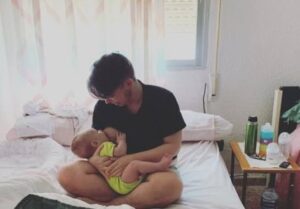
For Castro, the decision not to undergo a mastectomy was connected to his personal wish to experience breastfeeding. It was one example of how he planned his transition around his desire to become a parent, rather than treating parenthood as something that had to be postponed until every aspect of his transition was complete.
When Luar arrived on May 1, 2021, the birth marked the fulfilment of a dream that had shaped many of Castro’s decisions. His announcement was brief, but it followed months of sharing the physical and emotional realities of pregnancy with an online audience.
The photograph of the baby’s hand became a simple introduction to a much larger story: one about the determination to build a family, the difficulties of navigating healthcare systems and the personal choices involved in defining parenthood.
Looking back, Castro’s experience remains a notable example of the varied ways people approach pregnancy and family life. His story also illustrates why respectful, informed healthcare and administrative systems matter, particularly when a person’s reproductive needs do not align with assumptions based solely on their gender identity.
More than five years after Luar’s birth, the story remains a reminder that the journey to parenthood can involve challenges that extend well beyond pregnancy itself.




