


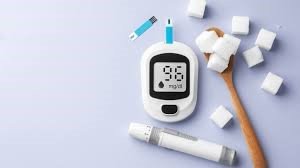
Diabetes is one of the leading causes of kidney disease worldwide. High blood sugar levels can gradually damage the tiny blood vessels in the kidneys, reducing their ability to filter waste from the blood effectively.
Health experts say good diabetes management and regular kidney screening can help prevent or delay kidney damage.
How Do the Kidneys Work?
The kidneys filter waste products, excess fluid, and toxins from the blood while keeping important nutrients and proteins in the body.
They also help regulate blood pressure, balance minerals, and produce hormones that support healthy bones and red blood cells.

How Diabetes Affects the Kidneys
Over time, high blood sugar damages the small blood vessels (glomeruli) that act as the kidneys’ filtering units.
As this damage worsens:
- The kidneys become less efficient at filtering waste.
- Protein may begin to leak into the urine.
- Waste products build up in the blood.
- Kidney function gradually declines.
This condition is known as diabetic kidney disease or diabetic nephropathy.
Early Symptoms
Diabetic kidney disease often develops silently, with no symptoms in its early stages.
As kidney damage progresses, symptoms may include:
- Swelling of the feet, ankles, or hands.
- Frequent urination, especially at night.
- Fatigue.
- Poor appetite.
- Nausea.
- Foamy urine due to protein leakage.
- Difficulty concentrating.
- High blood pressure.
Because symptoms often appear late, regular screening is essential.
Who Is Most at Risk?
The risk is higher in people who:
- Have had diabetes for many years.
- Have poorly controlled blood sugar.
- Have high blood pressure.
- Smoke.
- Are overweight or obese.
- Have a family history of kidney disease.
Both type 1 and type 2 diabetes can cause kidney damage.
How Is Diabetic Kidney Disease Diagnosed?
Healthcare providers may recommend:
- A urine test to check for protein (albumin).
- Blood tests to assess kidney function.
- Blood pressure measurement.
- Estimated glomerular filtration rate (eGFR) testing.
These tests can detect kidney damage before symptoms develop.
Treatment
Although kidney damage cannot always be reversed, treatment can slow its progression.
Treatment may include:
- Keeping blood sugar within the target range.
- Controlling blood pressure.
- Taking medications that protect the kidneys when prescribed.
- Reducing salt intake.
- Eating a balanced diet.
- Exercising regularly.
- Quitting smoking.
Advanced kidney disease may eventually require dialysis or a kidney transplant.
How Can You Protect Your Kidneys?
Health experts recommend:
- Monitoring blood sugar regularly.
- Taking diabetes medications as prescribed.
- Attending routine kidney function tests.
- Drinking enough water.
- Maintaining a healthy weight.
- Limiting unnecessary use of pain relievers that may harm the kidneys.
When Should You See a Doctor?
Seek medical advice if you:
- Notice swelling in your feet or ankles.
- Have foamy or bloody urine.
- Experience persistent fatigue.
- Have difficulty controlling your blood sugar or blood pressure.
- Have diabetes and have not had a recent kidney check-up.
Early treatment offers the best chance of preserving kidney function.
The Bottom Line
Diabetes is a major cause of chronic kidney disease, but kidney damage is not inevitable. Keeping blood sugar and blood pressure under control, attending regular health check-ups, and adopting healthy lifestyle habits can significantly reduce the risk of diabetic kidney disease and help protect kidney function for years to come.
Disclaimer: This article is for informational purposes only and should not replace professional medical advice. People living with diabetes should consult a qualified healthcare professional for regular kidney screening and personalised treatment advice.




