


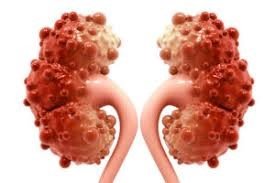
Kidney cysts are fluid-filled sacs that develop in or on the kidneys. They are relatively common, especially as people get older, and most simple kidney cysts are harmless. However, some cysts can grow larger, become infected, or be linked to inherited kidney diseases that require medical attention.
Health experts say regular monitoring is important because not all kidney cysts need treatment, but some may lead to complications if left unchecked.
What Are Kidney Cysts?
A kidney cyst is a round or oval sac filled with fluid that forms within or on the surface of a kidney.
There are two main types:

- Simple kidney cysts, which are usually non-cancerous and often cause no symptoms.
- Complex kidney cysts, which may contain solid material or irregular walls and require further evaluation to rule out cancer or other conditions.
Simple kidney cysts are far more common than complex cysts.
What Causes Kidney Cysts?
The exact cause of simple kidney cysts is not fully understood, but they become more common with age.
Other causes include:
- Age-related changes in the kidneys.
- Inherited conditions such as polycystic kidney disease (PKD).
- Kidney injury.
- Long-term kidney disease.
People with polycystic kidney disease develop multiple cysts that can gradually affect kidney function.
Common Symptoms
Most simple kidney cysts cause no symptoms and are often discovered during imaging tests performed for other reasons.
When symptoms occur, they may include:
- Dull pain in the side, back, or upper abdomen.
- Blood in the urine.
- Frequent urination.
- Fever if the cyst becomes infected.
- High blood pressure.
- A feeling of fullness or discomfort if the cyst grows large.
Symptoms depend on the size and location of the cyst.
Possible Complications
Although uncommon, kidney cysts may lead to:
- Infection.
- Bleeding into the cyst.
- Rupture of the cyst.
- Blockage of urine flow.
- Reduced kidney function in some cases.
Complex cysts may require further testing because a small number can be associated with kidney cancer.
Who Is Most at Risk?
The risk of kidney cysts is higher in people who:
- Are over 50 years of age.
- Have a family history of polycystic kidney disease.
- Have chronic kidney disease.
- Have previously experienced kidney injury.
How Are Kidney Cysts Diagnosed?
Healthcare providers may recommend:
- Ultrasound.
- CT scan.
- MRI scan.
- Blood tests to assess kidney function.
- Urine tests if kidney disease is suspected.
These tests help determine whether a cyst is simple or complex.
Treatment
Treatment depends on the type of cyst and whether symptoms are present.
Observation
Most simple kidney cysts require no treatment and only need periodic monitoring.
Drainage
Large cysts causing pain may be drained using a needle, sometimes followed by a procedure to reduce the chance of recurrence.
Surgery
Surgical removal may be recommended if a cyst is very large, causes complications, or appears suspicious for cancer.
Treatment of Underlying Conditions
People with inherited kidney disorders such as polycystic kidney disease may require long-term specialist care.
When Should You See a Doctor?
Seek medical advice if you experience:
- Persistent pain in your side or lower back.
- Blood in your urine.
- Fever with kidney pain.
- High blood pressure that is difficult to control.
- Recurrent urinary tract infections.
Prompt evaluation can help identify complications early.
The Bottom Line
Kidney cysts are common, particularly with increasing age, and most simple cysts are harmless. However, large, painful, infected, or complex cysts require medical assessment and, in some cases, treatment. Regular monitoring and early evaluation of symptoms can help protect kidney health and prevent complications.
Disclaimer: This article is for informational purposes only and should not replace professional medical advice. Anyone diagnosed with a kidney cyst or experiencing symptoms related to the kidneys should consult a qualified healthcare professional for proper evaluation and treatment.




