


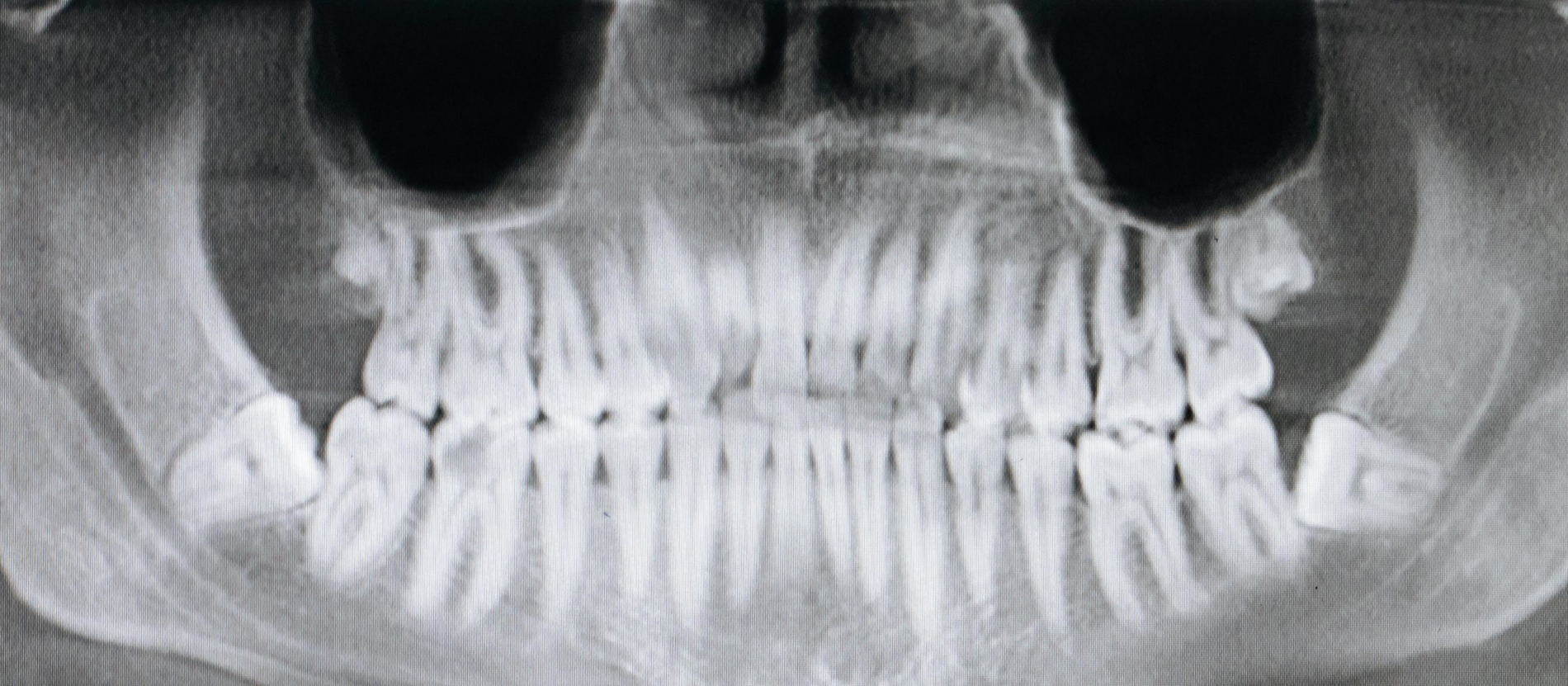
Dental X-rays are an essential part of modern dental care, helping dentists detect problems that cannot be seen during a routine oral examination. Despite concerns about radiation exposure, dental experts say the amount of radiation used in modern digital dental X-rays is extremely low and the benefits of early diagnosis far outweigh the risks.
Regular dental imaging allows dentists to identify hidden oral health problems before they become more serious and expensive to treat.
What Are Dental X-Rays?
Dental X-rays are images of the teeth, gums, jawbone, and surrounding structures.
They help dentists detect problems that may not be visible during a standard examination, including conditions developing beneath the gums or inside the teeth.

Why Are Dental X-Rays Important?
A dentist may recommend dental X-rays to:
- Detect cavities between teeth.
- Identify gum disease.
- Check for bone loss.
- Diagnose tooth infections or abscesses.
- Monitor the development of children’s teeth.
- Detect impacted wisdom teeth.
- Plan treatments such as braces, implants, or root canals.
Early detection often allows for simpler and less invasive treatment.
Types of Dental X-Rays
Common types include:
Bitewing X-rays
Used to detect cavities between teeth and monitor bone levels.
Periapical X-rays
Show the entire tooth, from crown to root, helping identify infections and root problems.
Panoramic X-rays
Provide a full view of the teeth, jaws, sinuses, and jaw joints in a single image.
Cone Beam CT (CBCT)
Produces detailed three-dimensional images for complex procedures such as dental implants or jaw surgery.
Are Dental X-Rays Safe?
Yes. Modern digital dental X-rays use very low doses of radiation.
Dentists also follow strict safety guidelines, including:
- Taking X-rays only when clinically necessary.
- Using modern digital equipment that reduces radiation exposure.
- Providing protective lead aprons and thyroid shields when appropriate.
The health benefits of accurate diagnosis generally outweigh the minimal radiation risk.
How Often Should You Have Dental X-Rays?
The frequency depends on:
- Your age.
- Oral health status.
- Risk of tooth decay.
- History of dental disease.
- Current symptoms.
Some people may need X-rays more often than others, while individuals with good oral health may require them less frequently.
Can Pregnant Women Have Dental X-Rays?
If necessary, dental X-rays can usually be performed safely during pregnancy using appropriate protective measures.
However, patients should always inform their dentist if they are pregnant or think they may be pregnant before any imaging is carried out.
When Should You See a Dentist?
A dental examination, including X-rays when necessary, is recommended if you experience:
- Persistent tooth pain.
- Swollen gums.
- Difficulty chewing.
- Facial swelling.
- Trauma to the teeth or jaw.
- Delayed eruption of children’s teeth.
Early diagnosis can prevent more serious complications.
The Bottom Line
Dental X-rays are a safe and valuable diagnostic tool that allows dentists to detect hidden problems before they become severe. With modern low-radiation technology and appropriate safety measures, dental imaging plays a vital role in maintaining long-term oral health. Following your dentist’s recommendations for X-rays can help ensure early treatment and better dental outcomes.
Disclaimer: This article is for informational purposes only and should not replace professional dental advice. Individuals with concerns about dental X-rays or oral health should consult a qualified dentist for personalised guidance.




