


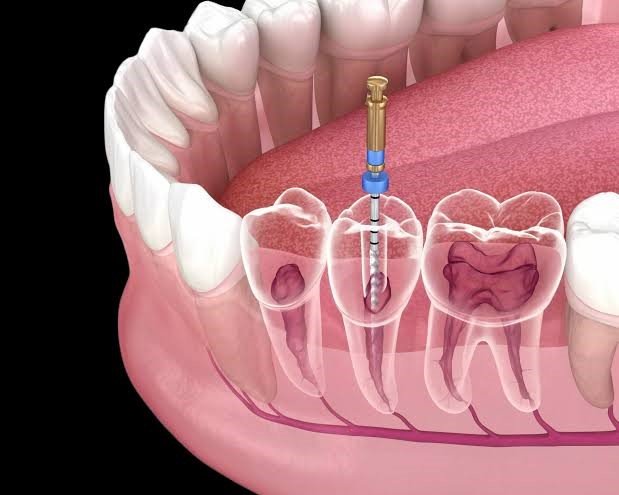
Root canal treatment is one of the most misunderstood dental procedures. Many people believe it is extremely painful or that extracting a damaged tooth is always a better option. However, dental experts say modern root canal therapy is a safe, effective procedure designed to relieve pain, eliminate infection, and preserve natural teeth.
Advances in dental technology and anaesthesia have made root canal treatment more comfortable than ever, allowing millions of people to save teeth that would otherwise need to be removed.
What Is a Root Canal?
A root canal is a dental procedure used to treat infection or damage inside the tooth.
The dentist removes the infected or inflamed pulp, cleans and disinfects the root canals, then fills and seals the tooth to prevent future infection. In most cases, a dental crown is placed afterwards to restore strength and function.

When Is a Root Canal Needed?
A dentist may recommend a root canal if the pulp inside the tooth becomes infected or severely damaged due to:
- Deep tooth decay.
- A cracked or broken tooth.
- Repeated dental procedures on the same tooth.
- Trauma or injury to the tooth.
Without treatment, the infection can spread and may eventually lead to tooth loss.
Signs You May Need a Root Canal
Common symptoms include:
- Severe tooth pain, especially when chewing.
- Prolonged sensitivity to hot or cold foods and drinks.
- Swollen or tender gums near the affected tooth.
- A small pimple-like swelling on the gums.
- Tooth discoloration.
- Persistent bad breath caused by infection.
Some infected teeth may have few or no symptoms, making regular dental check-ups important.
Common Myths About Root Canal Treatment
Myth 1: Root canals are extremely painful.
Modern root canal treatment is performed under local anaesthesia, and most patients experience little or no pain during the procedure.
Myth 2: Tooth extraction is always better.
Saving a natural tooth is usually the preferred option because it helps maintain normal chewing, speech, and jawbone health.
Myth 3: The procedure causes illness.
There is no scientific evidence that properly performed root canal treatment causes disease elsewhere in the body.
Benefits of Root Canal Treatment
Root canal therapy can:
- Relieve severe tooth pain.
- Eliminate infection.
- Save the natural tooth.
- Restore normal chewing function.
- Prevent the infection from spreading.
- Reduce the need for tooth extraction.
How Can You Prevent the Need for a Root Canal?
Although not every case is preventable, you can reduce your risk by:
- Brushing twice daily with fluoride toothpaste.
- Flossing every day.
- Limiting sugary foods and drinks.
- Treating cavities early.
- Wearing a mouthguard during contact sports.
- Visiting the dentist regularly for routine examinations.
When Should You See a Dentist?
Seek prompt dental care if you experience:
- Persistent or severe tooth pain.
- Swollen gums around a tooth.
- Long-lasting sensitivity to heat or cold.
- Tooth discoloration.
- A broken tooth accompanied by pain.
Early treatment improves the chances of saving the affected tooth.
The Bottom Line
Root canal treatment is a safe and effective procedure that can save an infected or damaged tooth while relieving pain and preventing further complications. Modern techniques have made the procedure far more comfortable than many people believe. Seeking treatment early can help preserve your natural smile and avoid more extensive dental procedures.
Disclaimer: This article is for informational purposes only and should not replace professional dental advice. Anyone experiencing persistent tooth pain or signs of infection should consult a qualified dentist for proper evaluation and treatment.




