


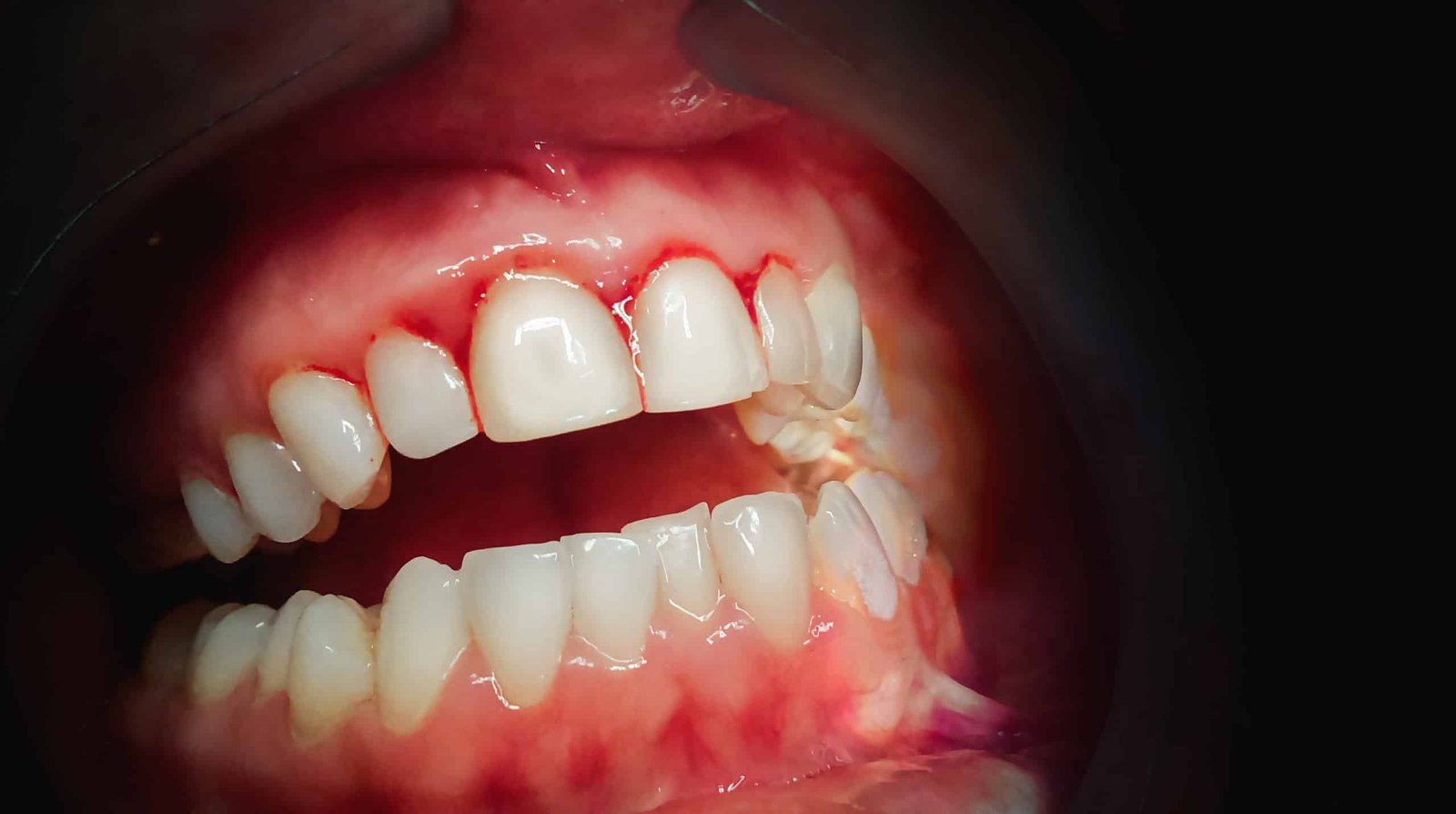
Bleeding gums are often dismissed as a minor problem, especially when they occur during brushing or flossing. However, dental experts warn that healthy gums should not bleed regularly. Persistent bleeding may be an early sign of gum disease or another underlying health condition that requires prompt attention.
Early diagnosis and treatment can help prevent tooth loss and protect overall oral health.
What Causes Bleeding Gums?
Bleeding gums can result from several conditions, including:
- Poor oral hygiene.
- Plaque and tartar buildup.
- Gingivitis (early gum disease).
- Periodontitis (advanced gum disease).
- Brushing too hard.
- Vitamin C or vitamin K deficiency.
- Hormonal changes during pregnancy.
- Certain medications, such as blood thinners.
In most cases, bleeding gums are linked to inflammation caused by plaque buildup.

Signs and Symptoms
Along with bleeding, you may notice:
- Red or swollen gums.
- Tender gums.
- Persistent bad breath.
- Receding gums.
- Loose teeth in advanced cases.
- Pain while chewing.
Ignoring these symptoms may allow gum disease to worsen.
Why Are Bleeding Gums a Concern?
Healthy gums help support and protect your teeth.
If gum disease is left untreated, it can lead to:
- Gum recession.
- Damage to the jawbone.
- Tooth loss.
- Increased risk of oral infections.
- Reduced ability to chew comfortably.
Research also suggests that severe gum disease may be associated with certain systemic health conditions, including diabetes and cardiovascular disease.
How Are Bleeding Gums Diagnosed?
A dentist will usually:
- Examine your teeth and gums.
- Check for plaque and tartar buildup.
- Measure gum pockets.
- Take dental X-rays if necessary.
- Review your medical history and medications.
This helps identify the underlying cause and guide treatment.
Treatment Options
Treatment depends on the cause.
Professional Dental Cleaning
Removing plaque and tartar is often the first step in treating gum inflammation.
Improved Oral Hygiene
Brushing twice daily, flossing regularly, and using fluoride toothpaste help prevent further plaque buildup.
Treatment for Gum Disease
Advanced cases may require deep cleaning, medications, or periodontal treatment.
Nutritional Support
If a vitamin deficiency is identified, dietary changes or supplements may be recommended.
How Can You Prevent Bleeding Gums?
Reduce your risk by:
- Brushing gently twice a day.
- Flossing daily.
- Visiting the dentist regularly.
- Eating a balanced diet rich in vitamins.
- Avoiding tobacco products.
- Managing chronic conditions such as diabetes.
Consistent oral care is the best defence against gum disease.
When Should You See a Dentist?
Arrange a dental appointment if:
- Your gums bleed frequently.
- Bleeding continues for more than a week.
- Your gums are swollen or painful.
- You notice loose teeth.
- You have persistent bad breath despite good oral hygiene.
Prompt evaluation helps prevent complications.
The Bottom Line
Bleeding gums should never be considered normal. They are often an early warning sign of gum disease and should be evaluated by a dental professional if they persist. Good oral hygiene, regular dental check-ups, and early treatment can help restore gum health and prevent more serious dental problems.
Disclaimer: This article is for informational purposes only and should not replace professional dental advice. Anyone experiencing persistent bleeding gums should consult a qualified dentist for proper evaluation and treatment.




