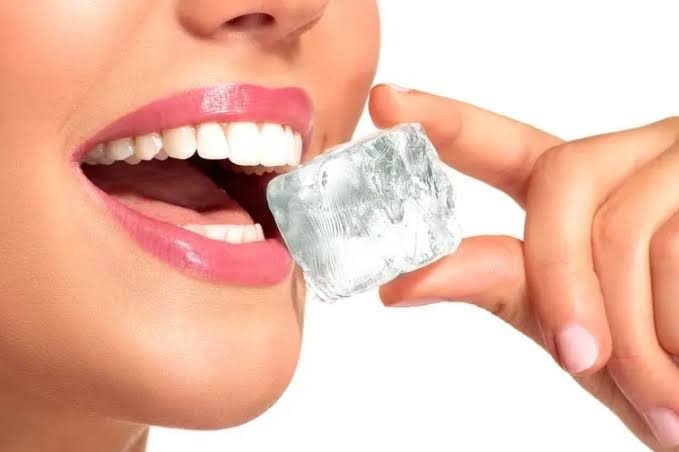
Dental experts are warning against the habit of chewing ice, saying it may seem harmless but can cause serious damage to the teeth over time. Many people chew ice to cool down or out of habit, but dentists say the hard texture of ice places excessive pressure on tooth enamel, increasing the risk of cracks, chips, and tooth fractures.
Experts advise people to avoid chewing ice and seek professional dental care if they experience pain or notice damage to their teeth.
Why Is Chewing Ice Harmful?
Although tooth enamel is the hardest substance in the human body, it is not designed to withstand repeated impact from hard objects like ice.
The pressure created while chewing ice can weaken the teeth and damage existing dental work.
Risks of Chewing Ice
Regular ice chewing may lead to:
- Chipped teeth.
- Cracked or fractured teeth.
- Worn tooth enamel.
- Increased tooth sensitivity.
- Broken fillings or crowns.
- Jaw pain.
Severe damage may require extensive dental treatment.
Why Do Some People Chew Ice?
People may chew ice because of:
- Habit.
- Hot weather.
- Stress or anxiety.
- A craving for crunchy textures.
In some cases, persistent ice chewing has been linked to iron deficiency and should be discussed with a healthcare provider.
Warning Signs of Tooth Damage
Symptoms may include:
- Sharp pain when biting.
- Sensitivity to hot or cold foods.
- Visible cracks or chips.
- Pain that comes and goes.
- Rough edges on the teeth.
These symptoms should be evaluated by a dentist.
How Can You Break the Habit?
Dentists recommend:
- Allowing ice to melt instead of chewing it.
- Drinking chilled water without biting the ice.
- Chewing sugar-free gum if you crave something crunchy.
- Speaking with a healthcare provider if the habit becomes difficult to control.
Replacing the habit can help protect your teeth.
Preventing Tooth Damage
To keep your teeth healthy:
- Avoid chewing ice and other hard objects.
- Brush twice daily with fluoride toothpaste.
- Floss every day.
- Wear a mouthguard during contact sports.
- Attend regular dental check-ups.
Good oral habits help prevent avoidable dental injuries.
When Should You See a Dentist?
Seek dental care if you experience:
- A chipped or cracked tooth.
- Persistent tooth sensitivity.
- Pain while chewing.
- A damaged filling or crown after chewing ice.
Early treatment can prevent more serious complications.
The Bottom Line
Chewing ice may appear harmless, but it can cause permanent damage to your teeth and existing dental restorations. Avoiding the habit and maintaining good oral hygiene can help preserve strong, healthy teeth. If you notice signs of tooth damage after chewing ice, seek prompt evaluation from a qualified dentist.
Disclaimer: This article is for informational purposes only and should not replace professional medical or dental advice. Individuals experiencing tooth pain or dental injuries should consult a qualified dentist for proper evaluation and treatment.