


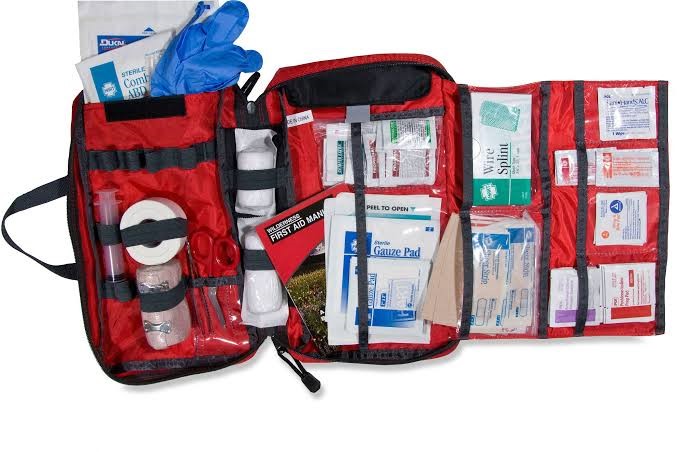
Medical professionals are encouraging families to keep a well-stocked first aid kit in every home, emphasizing that immediate access to basic medical supplies can make a significant difference during emergencies. According to healthcare experts, many injuries that occur at home including cuts, burns, sprains, nosebleeds, insect bites, and minor fractures require prompt first aid before professional medical care becomes available. Having the right supplies readily available can help reduce complications, prevent infections, and in some cases even save lives.
Doctors explain that accidents can happen at any time and often without warning. Whether it is a child falling while playing, an adult sustaining a kitchen injury, or an elderly person slipping in the bathroom, the first few minutes after an injury are often the most critical. Proper first aid can control bleeding, reduce pain, minimize swelling, and stabilize an injured person while waiting for emergency medical services or transport to a healthcare facility.
According to emergency medicine specialists, every household first aid kit should contain essential items such as sterile gauze pads, adhesive bandages of different sizes, adhesive tape, antiseptic wipes, antiseptic solution, cotton wool, disposable gloves, scissors, tweezers, an elastic bandage for sprains, instant cold packs, sterile dressings, a digital thermometer, and a CPR face shield if available. The kit should also include basic medications such as pain relievers, oral rehydration salts, antihistamines for allergic reactions, and any prescription medicines required by family members.
Medical professionals stress that simply owning a first aid kit is not enough. Family members should know where it is stored and understand how to use the supplies correctly. They encourage parents to teach older children basic first aid skills appropriate for their age, while adults are advised to consider formal first aid training. Knowing how to respond during an emergency can prevent panic and improve the outcome for an injured person.

Doctors also recommend checking the contents of the first aid kit regularly to ensure that supplies remain complete, sterile, and within their expiration dates. Expired medications, damaged bandages, or depleted supplies should be replaced immediately. If the kit is used during an emergency, it should be restocked as soon as possible to ensure it remains ready for future incidents.
Health experts advise households to keep the first aid kit in a location that is easily accessible to responsible adults but safely out of the reach of young children. Larger homes may benefit from having multiple kits placed in different areas, while families are also encouraged to keep portable first aid kits in their vehicles for road emergencies and during travel.
Medical specialists caution that although first aid can provide immediate care, it is not a substitute for professional medical treatment. Injuries involving heavy bleeding, deep wounds, severe burns, suspected fractures, difficulty breathing, loss of consciousness, chest pain, seizures, or poisoning require urgent medical evaluation. First aid should be viewed as an initial response that helps stabilize the patient until healthcare professionals can provide definitive treatment.
Doctors further recommend that households keep a list of emergency contact numbers inside or near the first aid kit, including local emergency medical services, nearby hospitals, family doctors, and poison control centers where available. Having this information readily available can save valuable time during emergencies.
Medical professionals conclude that a well-stocked first aid kit is one of the most important safety tools every household should have. Combined with basic first aid knowledge and a clear emergency response plan, it enables families to respond quickly and effectively when accidents occur. Experts emphasize that being prepared can reduce the severity of injuries, improve recovery outcomes, and provide peace of mind, knowing that help is immediately available when it is needed most.




