


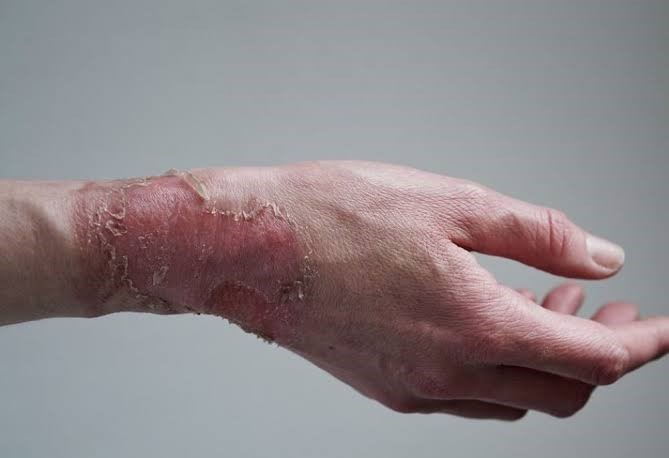
Health experts are warning the public against using unverified home remedies to treat severe burns, stressing that such practices can worsen injuries, increase the risk of infection, and delay life-saving medical treatment. According to medical professionals, despite widespread public awareness campaigns, many people still apply substances such as toothpaste, butter, cooking oil, raw eggs, palm oil, flour, or herbal mixtures to burns, believing these remedies will speed up healing. Doctors say these practices are not supported by medical evidence and can cause additional damage to already injured skin.
Burn specialists explain that severe burns are medical emergencies that require immediate professional attention. Burns can be caused by fire, hot liquids, steam, chemicals, electricity, or prolonged exposure to hot objects. Depending on the depth and size of the burn, the injury may affect not only the outer layer of the skin but also deeper tissues, muscles, nerves, and blood vessels.
According to healthcare experts, one of the biggest mistakes people make after a severe burn is applying household products before cooling the affected area. Doctors explain that oily substances such as butter, petroleum jelly, cooking oil, or ointments trap heat inside the skin, allowing the burning process to continue and causing further tissue damage. Similarly, toothpaste, flour, and herbal preparations may introduce bacteria into the wound, increasing the likelihood of infection and making medical treatment more difficult.
Medical professionals emphasize that the correct first aid for most thermal burns is to immediately remove the person from the source of the burn and cool the injured area under cool running water for at least 20 minutes. This helps stop the burning process, reduces pain, minimizes swelling, and limits the depth of tissue injury. Experts caution that ice or very cold water should not be used because extreme cold can damage the skin further and reduce blood flow to the injured tissues.

Doctors advise removing rings, watches, bracelets, or tight clothing near the burned area before swelling develops, provided these items are not stuck to the skin. Burned clothing that has adhered to the wound should not be pulled away, as this may cause additional injury. After cooling the burn, the wound should be loosely covered with a clean, sterile, non-stick dressing or plastic wrap until medical care is available.
Health experts warn that severe burns affecting the face, hands, feet, joints, genital area, or large portions of the body should always be treated as emergencies. Burns caused by chemicals or electricity also require immediate hospital evaluation, even if the skin damage appears minor, because these injuries may affect deeper tissues and internal organs.
Medical specialists explain that severe burns can lead to significant fluid loss, infections, shock, breathing difficulties, and permanent scarring if not treated promptly. In some cases, patients may require specialized burn care, intravenous fluids, surgery, skin grafts, or intensive rehabilitation to restore function and reduce long-term complications.
Doctors also advise the public never to burst blisters that develop after a burn, as intact blisters help protect the underlying tissue from infection. Any signs of increasing redness, swelling, pus, fever, worsening pain, or foul-smelling discharge should be reported to a healthcare professional immediately, as these may indicate a developing infection.
To reduce the risk of burn injuries, health professionals encourage families to keep children away from cooking areas, turn pot handles inward while preparing meals, test bath water before use, handle hot liquids carefully, install smoke detectors in homes, and use protective equipment when working with chemicals or electrical appliances.
Medical professionals conclude that while minor burns can often be managed with appropriate first aid, severe burns should never be treated with home remedies. They stress that prompt cooling of the injury, proper wound protection, and immediate medical evaluation are the safest and most effective ways to reduce complications, promote healing, and improve recovery outcomes.




