


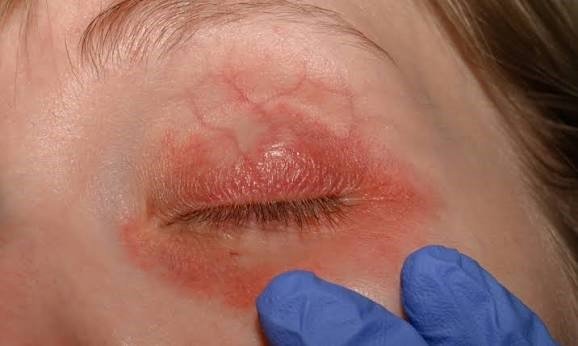
Medical professionals are urging the public to seek immediate medical attention for eye injuries caused by household chemicals, warning that delays in treatment can result in permanent vision loss or blindness. According to healthcare experts, chemical eye injuries are among the most serious emergencies affecting the eyes and can occur within seconds during routine household activities such as cleaning, home repairs, gardening, or handling pesticides and other chemical products. They emphasize that quick and appropriate first aid can significantly improve the chances of preserving vision.
Doctors explain that many common household products contain chemicals capable of causing severe damage to the delicate tissues of the eye. These include bleach, toilet cleaners, drain openers, oven cleaners, detergents, disinfectants, ammonia-based products, paint thinners, solvents, fertilizers, pesticides, and certain automotive fluids. Even products considered safe for routine use can cause serious injury if they accidentally splash into the eyes.
According to ophthalmologists, the severity of a chemical eye injury depends on the type of chemical involved, the concentration of the substance, and how long it remains in contact with the eye before being removed. Alkaline substances, such as drain cleaners and ammonia, are particularly dangerous because they can penetrate deep into the eye and continue causing damage even after the initial exposure. Acidic substances may also cause serious burns, although they often affect the surface of the eye more than deeper structures.
Medical professionals stress that the first few minutes after a chemical splash are critical. The affected eye should be rinsed immediately with plenty of clean, cool running water for at least 20 to 30 minutes. If only one eye is affected, the head should be tilted so that the contaminated water flows away from the unaffected eye to prevent the chemical from spreading. Doctors emphasize that rinsing should begin immediately and should not be delayed while searching for medications or waiting for medical assistance.

Health experts strongly advise against rubbing the affected eye, as doing so may spread the chemical across the eye’s surface and increase tissue damage. Contact lenses should be removed as soon as possible if they do not come out naturally during rinsing. Individuals should also avoid applying eye drops, ointments, or home remedies unless specifically instructed by a healthcare professional.
Doctors recommend seeking emergency medical care immediately after rinsing the eye, even if the pain appears to improve. Some chemicals continue to damage eye tissues after the initial exposure, and specialized examination is necessary to determine the extent of the injury. Healthcare providers may perform detailed eye examinations, measure the eye’s pH level, prescribe medications to prevent infection and reduce inflammation, or refer patients to an eye specialist for further treatment.
Medical professionals explain that symptoms of chemical eye injuries may include severe pain, burning, redness, excessive tearing, blurred vision, light sensitivity, swelling of the eyelids, difficulty opening the eye, or the sensation that something is stuck inside the eye. In severe cases, vision may become significantly impaired or completely lost if treatment is delayed.
Experts advise households to prevent chemical eye injuries by carefully reading product labels before use, wearing protective safety goggles when handling strong chemicals, ensuring adequate ventilation, and storing hazardous substances securely away from children. Cleaning agents should never be mixed unless specifically instructed by the manufacturer, as dangerous chemical reactions can produce splashes or harmful fumes.
Parents are also encouraged to supervise children closely whenever household chemicals are being used. Cleaning products, pesticides, and automotive fluids should always be stored in their original labeled containers and kept in locked cabinets out of children’s reach. Doctors warn against transferring chemicals into drink bottles or food containers, as this greatly increases the risk of accidental exposure.
Medical professionals conclude that chemical eye injuries should always be treated as medical emergencies. They emphasize that immediate flushing of the eye with clean running water, followed by prompt medical evaluation, offers the best chance of preventing permanent damage and preserving vision. By practicing safe handling of household chemicals and using appropriate protective equipment, families can greatly reduce the risk of these potentially devastating injuries.




