


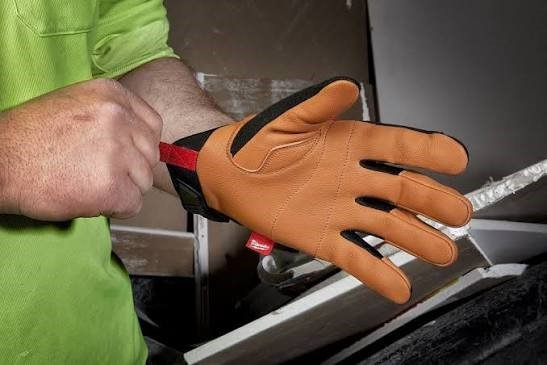
Medical professionals are encouraging homeowners to wear appropriate protective gloves whenever carrying out home repairs, warning that failure to use proper hand protection can lead to serious injuries, infections, and long-term damage. According to healthcare experts, hand injuries are among the most common accidents treated in emergency departments, with many occurring during routine household tasks such as carpentry, plumbing, painting, electrical work, gardening, and general maintenance.
Doctors explain that the hands are particularly vulnerable during repair work because they are constantly exposed to sharp tools, broken glass, nails, chemicals, hot surfaces, electrical equipment, and heavy objects. Even seemingly simple tasks can result in cuts, puncture wounds, burns, chemical exposure, or crushing injuries if proper precautions are not taken.
According to emergency medicine specialists, many people underestimate the risks associated with do-it-yourself home projects. Injuries often occur because individuals rush through tasks, use damaged tools, or neglect basic protective equipment. Doctors note that a deep cut to the hand can damage tendons, nerves, and blood vessels, potentially affecting movement and sensation. Some injuries may require surgery and months of rehabilitation before full function is restored.
Medical professionals emphasize that different repair tasks require different types of protective gloves. Heavy-duty work gloves are recommended for handling wood, bricks, metal, and construction materials, while cut-resistant gloves provide additional protection when using knives or sharp tools. Rubber or chemical-resistant gloves should be worn when handling cleaning agents, paints, solvents, pesticides, or other hazardous chemicals that may cause burns or skin irritation.

Doctors warn that chemicals commonly used during home repairs can be absorbed through the skin or cause severe burns if they come into direct contact with the hands. Some products may also trigger allergic reactions or dermatitis after repeated exposure. Wearing the correct protective gloves creates a barrier that reduces these risks while allowing work to be carried out more safely.
Health experts also caution against using damaged or poorly fitting gloves. Torn gloves may provide little or no protection, while gloves that are too loose can become caught in machinery or power tools, creating additional hazards. Individuals are encouraged to inspect gloves before each use and replace them immediately if they show signs of wear, holes, or deterioration.
Doctors explain that hand injuries should never be ignored, even when they appear minor. Cuts and puncture wounds should be washed thoroughly with clean running water, covered with a sterile dressing, and monitored for signs of infection. Increasing redness, swelling, pus, persistent pain, or fever may indicate a developing infection that requires medical evaluation.
Medical professionals also highlight the importance of tetanus prevention. Injuries involving nails, rusty metal, garden tools, or contaminated objects may expose individuals to bacteria that cause tetanus. People with uncertain vaccination status or those who have not received a booster within the recommended period should seek medical advice after sustaining such injuries.
Experts recommend additional safety measures during home repairs, including wearing protective eyewear, using appropriate footwear, keeping work areas well lit, and ensuring tools are in good working condition. Electrical repairs should only be carried out after switching off the power supply, and complex work involving gas lines or structural modifications should be left to qualified professionals.
Health specialists further advise homeowners to avoid working when they are tired, distracted, or under the influence of alcohol or medications that may impair judgment. Taking regular breaks during lengthy repair projects can also help reduce fatigue-related mistakes that often lead to injuries.
Medical professionals conclude that wearing protective gloves is a simple but highly effective way to prevent many common hand injuries during home repairs. Combined with proper tools, safe work practices, and prompt medical attention when accidents occur, appropriate hand protection can significantly reduce the risk of serious injuries and help ensure that household repair projects are completed safely.




