


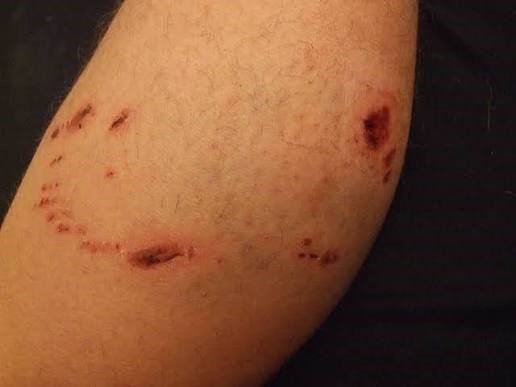
Health experts are urging the public not to ignore animal bites and scratches, warning that even injuries that appear minor can lead to serious infections and life-threatening diseases if left untreated. According to medical professionals, thousands of people seek emergency medical care each year after being bitten or scratched by dogs, cats, monkeys, rodents, and other animals. While many victims focus only on the visible wound, doctors emphasize that the greatest danger often comes from harmful bacteria and viruses that may enter the body through broken skin.
Doctors explain that animal bites can puncture the skin, damage muscles, tendons, nerves, and blood vessels, and introduce disease-causing microorganisms deep into the tissues. Scratches, particularly those caused by cats, should also not be underestimated because they can transmit bacteria capable of causing severe infections. Experts note that infections may develop within hours or several days after the injury, making early treatment extremely important.
According to emergency medicine specialists, one of the most serious concerns following an animal bite is the risk of rabies, a viral disease that affects the nervous system. Once symptoms of rabies appear, the disease is almost always fatal. Doctors explain that rabies is commonly transmitted through the saliva of infected animals and can enter the body through bites, scratches, or saliva that comes into contact with broken skin or the eyes, nose, or mouth.
Medical professionals stress that anyone bitten by a dog, cat, bat, monkey, or other mammal should seek immediate medical evaluation, especially if the animal’s vaccination status is unknown or if the animal was behaving unusually. They explain that healthcare providers will assess the risk of rabies exposure and determine whether post-exposure vaccination or other preventive treatment is necessary. Delaying treatment can significantly reduce the effectiveness of life-saving preventive measures.

Health experts recommend immediate first aid following an animal bite or scratch. The wound should be washed thoroughly with running water and soap for at least 15 minutes to help remove dirt, bacteria, and viruses from the affected area. After cleaning, an antiseptic solution may be applied if available, and the wound should be covered with a clean dressing. Individuals are advised not to tightly bandage puncture wounds or apply unproven home remedies such as herbs, oils, toothpaste, or traditional mixtures, as these may increase the risk of infection.
Doctors warn that symptoms such as increasing redness, swelling, warmth, pus, persistent pain, fever, swollen lymph nodes, or red streaks spreading away from the wound may indicate a developing infection and require urgent medical attention. Deep bites, bites involving the face, hands, feet, or joints, and injuries that continue to bleed heavily should also be evaluated immediately.
Medical specialists also highlight the importance of tetanus prevention following animal bites. Depending on the nature of the injury and the individual’s vaccination history, a tetanus booster may be recommended to protect against serious bacterial infection. Doctors encourage people to keep their routine vaccinations up to date and to discuss their immunization status with a healthcare provider after sustaining an animal bite.
Experts note that children are particularly vulnerable to serious injuries because they are more likely to approach unfamiliar animals and may sustain bites to the face or neck due to their height. Parents are encouraged to teach children never to disturb animals while they are eating, sleeping, caring for their young, or showing signs of aggression. Children should also be taught to ask permission before approaching someone else’s pet and to avoid teasing or provoking animals.
Doctors further advise pet owners to ensure that their dogs and cats receive regular veterinary care and remain up to date with recommended vaccinations, including rabies vaccination where applicable. Responsible pet ownership, proper training, and secure fencing can significantly reduce the risk of bites occurring within the community.
Medical professionals conclude that no animal bite or scratch should be considered too minor to receive proper attention. They emphasize that immediate wound care, early medical evaluation, and appropriate preventive treatment are essential for reducing the risk of infection and preventing potentially fatal diseases such as rabies. By acting quickly and taking sensible precautions around animals, individuals can protect both their immediate health and their long-term well-being.




